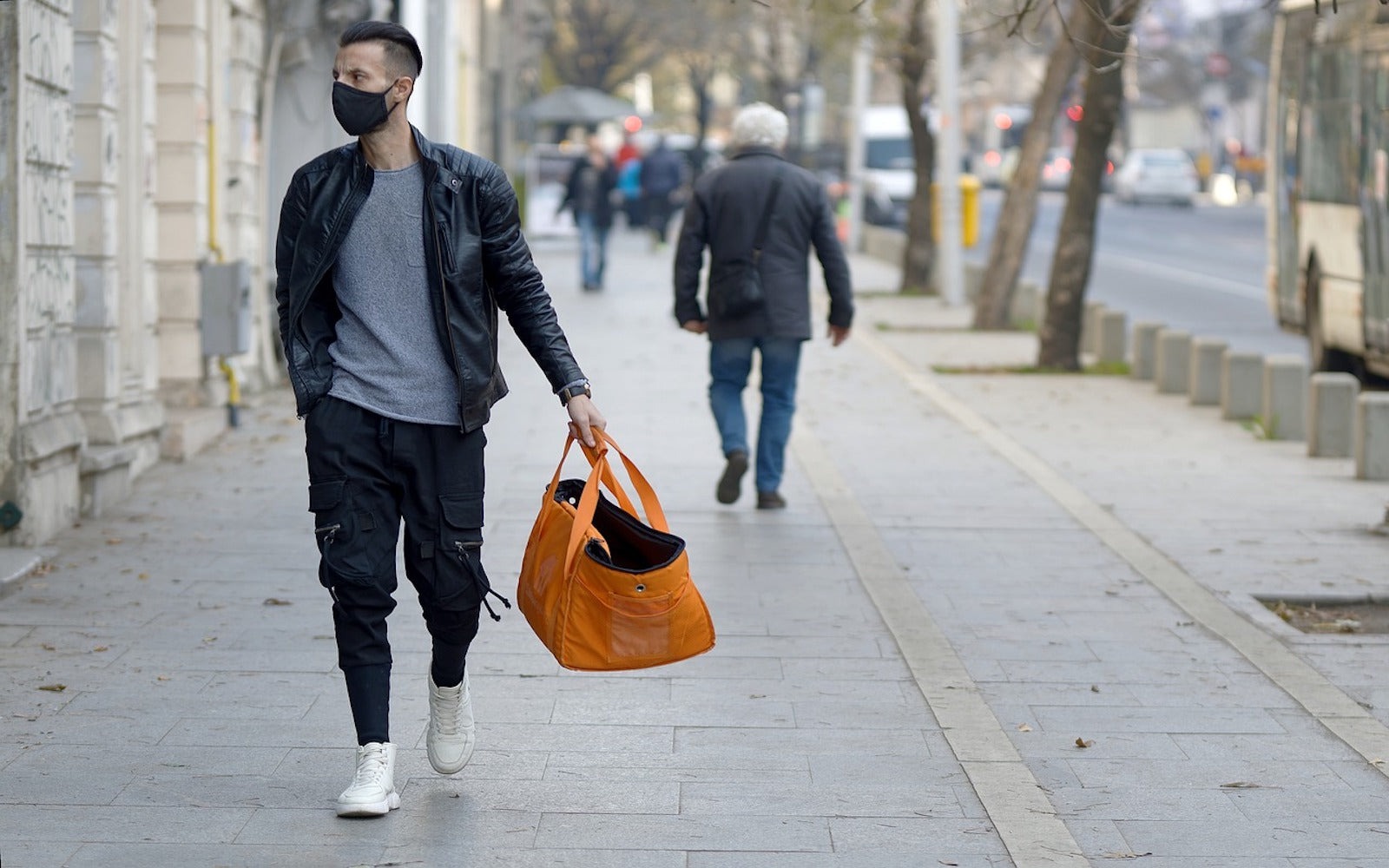
Streetwear has grown from a niche, underground movement into a global fashion phenomenon. Once limited to skateboarders, hip-hop enthusiasts, and youth subcultures, streetwear today dominates runways, retail stores, and social media feeds worldwide. This transformation is a testament to how cultural shifts, savvy marketing, and evolving consumer tastes can elevate a grassroots style to mainstream prominence.
In this article, we will explore the origins of streetwear, its key influences, how it evolved over time, and the factors that propelled it into the spotlight. We’ll also examine how streetwear has shaped modern fashion and what its future might hold.
Origins of Streetwear: Roots in Subculture
Streetwear’s story begins in the late 1970s and early 1980s, rooted in the urban streets of New York and Los Angeles. It emerged as a fusion of several cultural movements, primarily skateboarding, hip-hop, and punk rock. Each of these communities developed distinct styles that reflected their identities, attitudes, and lifestyles.
Skateboarders in California were among the earliest adopters of casual, comfortable clothing like loose t-shirts, baggy pants, and sneakers that could withstand the wear and tear of skating. At the same time, hip-hop culture in New York brought oversized silhouettes, bold graphics, and branded sportswear into focus. Punk rock influenced the rebellious DIY aesthetic, with customized jackets, patches, and ripped garments.
Together, these subcultures gave birth to an informal dress code that was anti-establishment, unpretentious, and expressive. Brands like Stüssy, Supreme, and A Bathing Ape (BAPE) began as small labels catering to these communities, producing limited runs of t-shirts, hoodies, and caps emblazoned with logos and unique designs. Their limited availability created an aura of exclusivity and authenticity highly valued by fans.
Key Influences Shaping Streetwear
Streetwear’s DNA is a rich mix of cultural, social, and economic factors that continue to shape its appeal.
Music and Celebrity Endorsements: Hip-hop artists, rap stars, and later, influencers from other music genres, played a huge role in popularizing streetwear. Icons like Run-DMC, Tupac, and later Kanye West and Pharrell Williams brought attention to brands through their fashion choices and collaborations. The close connection between music and streetwear created a lifestyle narrative that fans eagerly embraced.
Sneaker Culture: Sneakers are a cornerstone of streetwear. The rise of sneaker collecting (or “sneakerhead” culture) helped elevate footwear into an art form and a status symbol. Collaborations between sneaker brands and designers or celebrities, like Nike x Off-White or Adidas x Yeezy, fueled hype and made sneakers key to completing streetwear looks.
Skateboarding and Sports: The functional needs of skateboarders influenced streetwear’s comfort-first philosophy. At the same time, sports brands like Nike, Adidas, and Puma recognized streetwear’s growing popularity and began incorporating street-style elements into their lines, blurring the lines between athleticwear and casual fashion.
Streetwear Enters the Mainstream
By the late 2000s and early 2010s, streetwear began breaking out of its subcultural confines. Several factors contributed to this shift:
Social Media and Digital Communities: Platforms like Instagram and Tumblr allowed streetwear enthusiasts to share their styles, connect globally, and discover new brands. The viral nature of social media accelerated trends and expanded streetwear’s reach beyond local scenes.
High Fashion Embraces Streetwear: Luxury fashion houses like Louis Vuitton, Balenciaga, and Gucci began incorporating streetwear elements into their collections. Collaborations between high-end designers and streetwear brands became commonplace, legitimizing the style in the eyes of fashion elites. Louis Vuitton’s partnership with Supreme in 2017 was a landmark moment that symbolized streetwear’s full integration into luxury fashion.
Celebrity Influence: Celebrities from various industries—music, film, sports—endorsed streetwear openly. This celebrity validation turned streetwear into a status symbol, increasing demand for limited-edition drops and exclusive collections.
Retail Evolution: Retailers adapted by launching streetwear-focused sections or entire stores, while brands mastered the art of “drop culture”—releasing limited quantities of products at specific times to create urgency and exclusivity. This approach boosted sales and consumer engagement.
Characteristics of Modern Streetwear
Today’s streetwear blends its subcultural roots with contemporary fashion trends, but certain core elements remain:
-
Comfort and Functionality: Oversized hoodies, graphic tees, cargo pants, and sneakers remain staples because of their comfort and practicality.
-
Graphic Design and Logos: Bold prints, brand logos, and artwork are central to streetwear, often used as a statement or form of self-expression.
-
Limited Editions and Collaborations: The hype around exclusive releases continues to drive the market. Collaborations between brands, artists, and celebrities create unique, collectible pieces.
-
Inclusivity and Diversity: Streetwear resonates with diverse audiences globally. Its democratized approach to style appeals across gender, ethnicity, and socioeconomic backgrounds.
-
Sustainability Efforts: With growing consumer awareness, some streetwear brands are adopting sustainable materials and ethical production practices, signaling a shift toward responsible fashion.
Impact on Fashion and Culture
Streetwear’s rise has influenced the fashion industry profoundly:
-
Democratization of Fashion: Streetwear broke down barriers between luxury and casualwear, making fashion more accessible and inclusive. This shift challenged traditional notions of what constitutes style and status.
-
Blurring of High and Low Fashion: The collaborations between streetwear and luxury brands reshaped fashion hierarchies. High fashion started to embrace the youth-driven culture and authenticity that streetwear represented.
-
New Business Models: Brands capitalized on limited releases, resale markets, and social media marketing, creating new ways to engage consumers and build loyalty.
-
Cultural Expression: Streetwear remains a platform for cultural and social commentary. It reflects attitudes on identity, community, and resistance, often incorporating political and social messages.
Challenges and Criticisms
While streetwear’s growth is impressive, it has faced challenges:
-
Commercialization: Critics argue that streetwear’s mainstream success risks diluting its original spirit and authenticity. As large corporations enter the market, some feel it becomes overly commercial and less connected to grassroots culture.
-
Environmental Concerns: The hype-driven nature of limited drops can contribute to waste and overconsumption. However, some brands are actively addressing sustainability.
-
Resale Market Issues: The booming secondary market inflates prices, making some coveted pieces inaccessible and fostering exclusivity that contrasts with streetwear’s inclusive ethos.
The Future of Streetwear
Streetwear’s future looks promising but will require balancing innovation, authenticity, and responsibility.
-
Sustainability Focus: Brands that integrate eco-friendly materials and ethical practices will likely gain favor among conscious consumers.
-
Technology Integration: Virtual fashion, NFTs, and digital wearables are emerging frontiers where streetwear brands are experimenting.
-
Global Influence: Streetwear will continue to absorb cultural influences from around the world, reflecting global youth culture.
-
Continued Collaborations: The blending of streetwear with other fashion sectors, art, music, and tech will drive fresh creativity and opportunities.
Conclusion
The rise of streetwear from a niche subculture to a mainstream fashion powerhouse is a remarkable journey that illustrates the power of culture, community, and innovation. It has transformed not only what people wear but how fashion is created, marketed, and consumed. Streetwear’s ability to evolve while staying true to its roots ensures it remains a vibrant and influential force in the industry. As it moves forward, streetwear will continue to shape the dialogue between style and society, proving that fashion is as much about identity as it is about clothing.