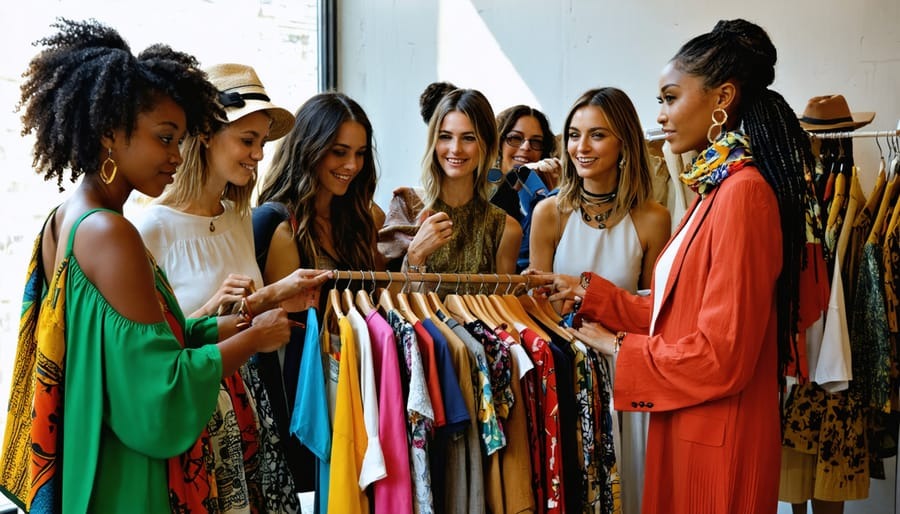
In an era where environmental awareness is more critical than ever, sustainable fashion has emerged as a powerful movement reshaping how we think about style. Sustainable fashion combines creativity and responsibility, offering consumers the chance to express themselves through clothing while protecting the planet. As the fashion industry is one of the largest polluters globally, embracing sustainable fashion is not just a trend—it’s a necessary shift toward a greener future.
This article delves into what sustainable fashion means, why it matters, key practices driving the movement, and how consumers and brands can contribute to a more ethical wardrobe.
What is Sustainable Fashion?
Sustainable fashion, often referred to as eco-fashion or ethical fashion, involves designing, producing, and consuming clothing in ways that minimize environmental impact and promote social responsibility. It emphasizes:
-
Using eco-friendly materials and processes
-
Reducing waste and pollution
-
Ensuring fair labor practices and safe working conditions
-
Encouraging mindful consumption and circular economy principles
Unlike fast fashion, which focuses on rapid production and disposability, sustainable fashion prioritizes longevity, quality, and transparency.
Why Sustainable Fashion Matters
The traditional fashion industry contributes significantly to environmental degradation:
-
It accounts for about 10% of global carbon emissions.
-
Textile production consumes vast amounts of water—over 2,700 liters for a single cotton shirt.
-
Synthetic fabrics release microplastics into oceans.
-
Landfills are overwhelmed with discarded clothes, with millions of tons of textiles thrown away annually.
-
Workers in many production countries face exploitation and unsafe environments.
By shifting to sustainable practices, the industry can reduce its carbon footprint, conserve resources, improve workers’ lives, and create a healthier planet for future generations.
Key Principles of Sustainable Fashion
1. Ethical Material Choices
Sustainable fashion relies on materials that are renewable, biodegradable, or recycled. Popular eco-friendly fabrics include:
-
Organic Cotton: Grown without harmful pesticides or synthetic fertilizers.
-
Hemp and Linen: Require less water and fewer chemicals than conventional crops.
-
Tencel/Lyocell: Produced from sustainably sourced wood pulp using environmentally friendly processes.
-
Recycled Fabrics: Made from post-consumer waste like plastic bottles or discarded garments.
-
Natural Dyes: Derived from plants or minerals, reducing chemical pollution.
Choosing these materials reduces water use, soil contamination, and waste.
2. Reducing Waste Through Circular Fashion
The linear model of “take, make, dispose” is unsustainable. Circular fashion aims to keep materials in use as long as possible through:
-
Design for Durability: Creating high-quality, timeless pieces that last.
-
Repair and Upcycling: Encouraging mending or creatively repurposing old clothes.
-
Clothing Rental and Resale: Platforms that extend the life of garments by sharing or reselling.
-
Recycling Programs: Turning old textiles into new fibers or products.
Circularity reduces landfill waste and lessens demand for virgin resources.
3. Fair and Safe Labor Practices
Sustainable fashion is deeply connected to social justice. Ethical brands ensure:
-
Fair wages and reasonable working hours.
-
Safe and healthy working conditions.
-
No child labor or forced labor.
-
Empowerment and respect for workers’ rights.
Supporting ethical labor helps uplift communities and fosters transparency in supply chains.
4. Minimizing Environmental Impact in Production
Sustainable production includes:
-
Using renewable energy sources.
-
Reducing water and chemical use.
-
Implementing closed-loop manufacturing processes.
-
Cutting down on transportation emissions through local sourcing.
These measures lower pollution and resource consumption.
How Consumers Can Embrace Sustainable Fashion
Buy Less, Choose Well
Quality over quantity is a key mantra. Investing in durable, versatile pieces reduces waste and saves money in the long run. Select timeless styles rather than fleeting trends.
Support Ethical Brands
Research and buy from brands committed to sustainability. Look for certifications like GOTS (Global Organic Textile Standard), Fair Trade, or B Corp.
Care for Clothes Properly
Washing clothes with cold water, air-drying, and following care instructions extend garment life.
Participate in Clothing Swaps and Rentals
Sharing and renting clothes reduces demand for new production and offers variety without waste.
Recycle and Donate
Instead of discarding old clothes, donate, sell, or recycle them through appropriate channels.
How Brands Are Leading the Sustainable Fashion Revolution
Transparent Supply Chains
Brands are increasingly sharing detailed information about sourcing, production, and labor practices. This transparency builds consumer trust and drives industry standards upward.
Innovative Materials and Technologies
From mushroom-based leather alternatives to biodegradable synthetic fabrics, brands are pioneering materials that reduce environmental harm.
Eco-Friendly Packaging
Sustainable brands minimize packaging waste by using recycled, compostable, or reusable materials.
Community and Consumer Engagement
Educating customers about sustainability and involving them in initiatives like take-back programs enhances impact.
Challenges and the Road Ahead
While sustainable fashion grows, challenges remain:
-
Cost: Sustainable materials and fair labor often mean higher prices, which can deter some consumers.
-
Greenwashing: Some brands exaggerate or falsify sustainability claims, confusing shoppers.
-
Scaling Production: Meeting demand while maintaining sustainability requires innovation.
-
Consumer Behavior: Changing habits toward mindful consumption takes time.
Addressing these challenges requires collaboration among brands, policymakers, consumers, and innovators.
Conclusion
Sustainable fashion represents a hopeful shift towards a more responsible and beautiful industry. By choosing eco-friendly materials, embracing circularity, supporting ethical labor, and reducing environmental impacts, fashion can become a force for good.
Consumers empowered with knowledge can drive demand for better practices, while brands committed to transparency and innovation lead the way.
Style that saves the planet is not just possible—it’s imperative. As sustainable fashion continues to evolve, it invites everyone to participate in creating a future where fashion and environmental stewardship coexist beautifully.