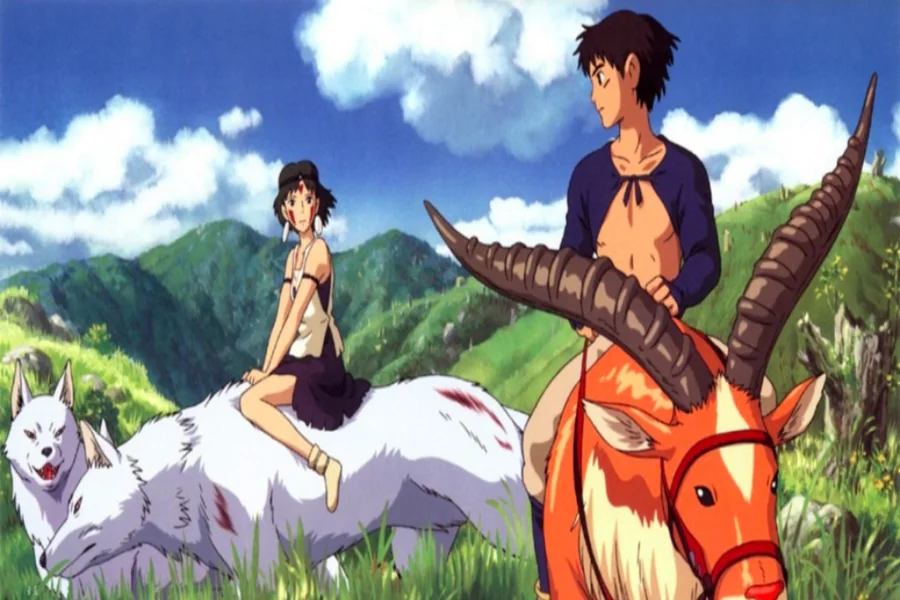
Creating your own anime character is a rewarding process that allows you to bring your imagination to life. Whether you are an artist, writer, or enthusiast, developing a unique anime character requires attention to detail, creativity, and a structured approach. This comprehensive guide will take you through every essential step to craft a compelling, visually striking, and memorable anime character.
Understanding the Basics of Anime Character Design
Before diving into the creation process, it is crucial to understand what defines an anime character. Anime characters often feature distinctive exaggerated eyes, expressive facial features, unique hairstyles, and stylized proportions. These elements contribute to the character’s personality and appeal.
Your character should reflect a clear identity — their background, emotions, and role within your story or concept. This foundation will guide your design choices, ensuring your character is not only visually appealing but also narratively engaging.
Step 1: Define Your Character’s Personality and Background
The first and most critical step in creating your anime character is to define who they are inside and out. Consider their:
- Personality traits: Are they shy, outgoing, aggressive, kind, or mysterious?
- Backstory: What experiences shaped them? Are they a warrior, student, or a magical being?
- Motivations and goals: What drives your character? This will influence their expressions and pose.
- Relationships: Do they have friends, enemies, or mentors? This can affect their design elements, such as accessories or clothing.
Having a clear psychological profile helps in making design decisions that resonate with your character’s essence.
Step 2: Conceptualize the Physical Appearance
Once the personality is outlined, you can start conceptualizing the physical look. Key elements to focus on include:
Face and Expression
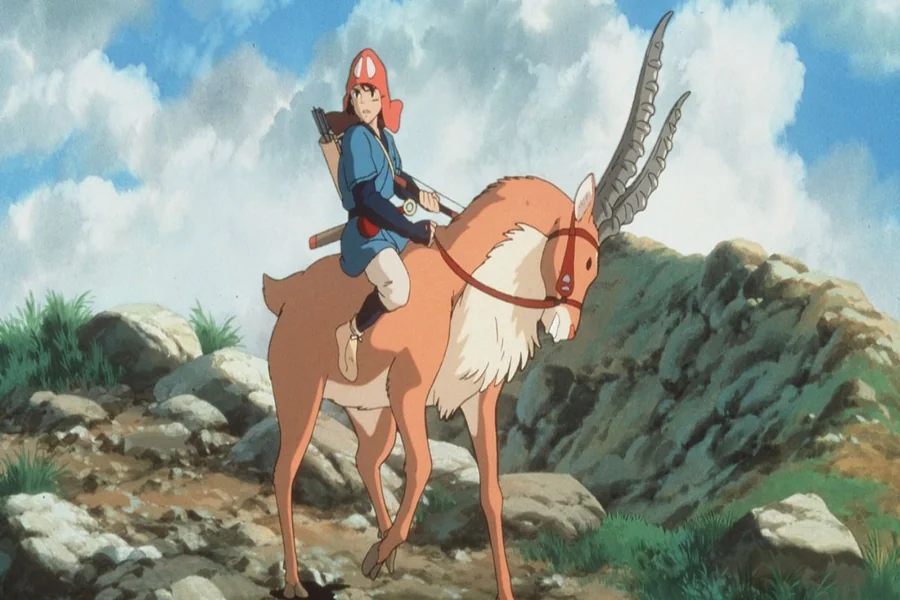
The face is the window to your character’s emotions. Anime characters often have large, expressive eyes that convey feelings vividly. Decide on:
- Eye shape and size: Round eyes can suggest innocence; narrow eyes can imply seriousness or cunning.
- Eyebrows and mouth: These subtle details can drastically change the perceived personality.
- Nose and jawline: Stylized noses and varied jaw shapes contribute to uniqueness.
Hairstyle
Hairstyle is a signature element of any anime character. Consider:
- Length and style: Long flowing hair can indicate elegance or mystery; spiky hair often signals energy and rebelliousness.
- Color: While natural hair colors work, vibrant colors like blue, pink, or green add fantasy and individuality.
- Accessories: Hair clips, ribbons, or headbands can highlight personality or cultural background.
Step 3: Develop the Body Structure and Proportions
Anime characters usually follow exaggerated body proportions that emphasize their traits. To create a believable and striking figure:
- Height and build: Tall and lean for elegance or short and stout for cuteness.
- Limb length: Elongated limbs for gracefulness or shorter limbs for a chibi-style character.
- Posture and stance: Reflect personality—confident characters often stand upright, while shy ones might slouch.
Sketching basic shapes such as ovals and rectangles will help build a solid framework before adding details.
Step 4: Design the Outfit and Accessories
Clothing reveals a lot about your character’s lifestyle, profession, and personality. When designing outfits:
- Style: Traditional Japanese clothing, futuristic armor, casual wear, or fantasy robes?
- Color palette: Choose colors that match the character’s mood and traits; contrasting colors can add visual interest.
- Details and accessories: Belts, jewelry, weapons, or magical items can enhance the story behind the character.
Keep practicality in mind if the character is meant for animation or comics; overly complex designs can be hard to replicate consistently.
Step 5: Finalize the Color Scheme
Color is a powerful tool to make your anime character stand out and express emotions. Choose a harmonious color scheme by:
- Selecting a dominant color representing the core personality.
- Using secondary colors for contrast and depth.
- Applying accent colors on accessories or small details to draw attention.
Test different palettes digitally or on paper to see what best fits your character’s vibe.
Step 6: Create Detailed Character Turnarounds
For a professional and complete character design, create turnaround sheets showing your character from multiple angles—front, side, back, and three-quarter views. This ensures consistency in animation or illustration.
Focus on:
- Maintaining proportions across views.
- Highlighting distinct features from every angle.
- Marking important details like scars, tattoos, or accessories.
Step 7: Add Expressions and Poses
Animating emotions and movement brings your anime character to life. Draw a series of facial expressions such as happiness, anger, sadness, and surprise. Additionally, sketch dynamic poses that reflect their personality, such as fighting stances or casual postures.
These help define how your character interacts with the world and deepen viewer connection.
Step 8: Use Digital Tools for Refinement
Utilize digital art software like Clip Studio Paint, Adobe Photoshop, or Procreate to enhance your design. These tools offer:
- Precise line work and coloring.
- Layer management for easy editing.
- Special brushes for textures and effects.
Digital refinement allows for experimentation with colors, shadows, and highlights to make your character visually stunning.
Step 9: Receive Feedback and Iterate
Share your character design with peers, mentors, or online communities specializing in anime art. Constructive feedback can provide insights you may have missed.
Iterate your design by adjusting proportions, colors, or details to enhance appeal and clarity.
Step 10: Develop Your Character’s Story Integration
Finally, embed your anime character into your story or concept. Define how they interact with others, their role in the plot, and how their visual traits support their narrative function.
This step solidifies your character as a living, breathing element within your creative world.
Conclusion
Creating your own anime character is a meticulous but highly rewarding endeavor that combines artistry, storytelling, and design principles. By following this step-by-step guide, you will craft a character that is not only visually captivating but also deeply engaging on a narrative level. Each step, from defining personality to digital refinement, builds toward a character uniquely yours.
Bringing originality and detail to your anime character with onlineurdupoetry ensures they will stand out in the vibrant world of anime fandom and creativity.