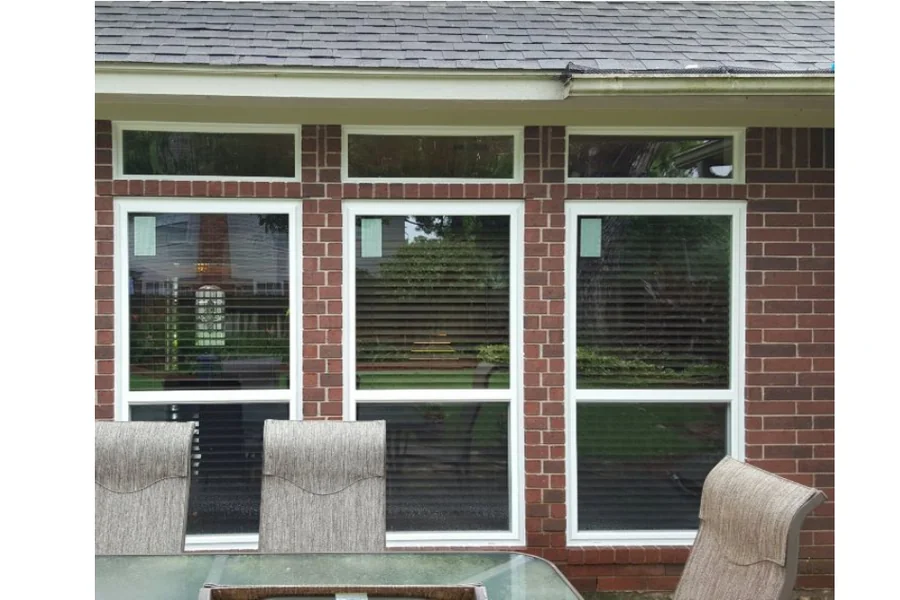
Replacing your home’s windows can greatly improve comfort, energy efficiency, and curb appeal. However, one of the most common questions homeowners ask is whether they can replace their windows without removing the trim. The trim adds style and character to a home, and removing it can seem like an unnecessary extra step.
The answer depends on the type of installation, the condition of your frames, and the overall structure of your home. With modern home window installation in Houston, homeowners often have the option to upgrade their windows without disturbing the surrounding trim. Professional installers can carefully plan each project to enhance efficiency and appearance while maintaining the home’s original design.
This guide explains when trim can remain in place, when it needs to be removed, and what professionals do to ensure a clean and efficient installation.
Understanding Window Replacement Methods
There are two main types of window replacement: full-frame and insert (pocket) installation. A full-frame replacement removes the old window, frame, and trim, providing a completely fresh start. This method is ideal for homes with extensive damage or outdated frames.
An insert replacement, on the other hand, preserves the existing frame and trim. The new window is fitted directly into the old frame, creating a snug, secure fit with minimal disruption. This method is ideal when the original frame is still in good condition and the goal is to enhance efficiency rather than rebuild it.
Replacing Windows Without Removing Trim
In many cases, yes, windows can be replaced without removing trim. Insert-style installations make this possible by allowing the new unit to slide neatly into the existing frame. Professional installers measure the opening precisely to ensure the window fits tightly and seals correctly, leaving the trim untouched.
This approach saves time and reduces labor costs since there’s no need to remove or reinstall decorative elements. It also maintains the interior consistency of your home, which is important if your trim features custom woodwork or detailing.
When Trim Removal Is Necessary
Sometimes, trim removal can’t be avoided. If your window frame exhibits signs of rot, warping, or moisture damage, a full-frame replacement is typically the safer and more durable solution. Trim might also need to be removed if installers need to replace flashing or insulation behind the frame.
Even when trim removal is required, professionals handle it carefully. They remove and reinstall it cleanly, preserving the look of your home while ensuring proper sealing and support for your new windows.
Benefits of Keeping Trim Intact
Choosing a trim-friendly window replacement has several advantages. It reduces installation time, keeps costs lower, and maintains your home’s original appearance. You won’t have to worry about repainting or replacing interior moldings, which helps projects finish faster with less mess.
Another benefit is that you can stay in your home during the process. Because the work is less invasive, most rooms can remain undisturbed while installers complete the job.
How Professionals Handle Trim-Friendly Installations
Skilled installers know how to protect trim while achieving a tight, weatherproof fit. Before starting, they inspect the frame to make sure it’s stable and suitable for an insert replacement. After carefully removing the old window sashes, they insert the new unit, fill gaps with insulation, and seal edges with durable caulking.
The result is a secure, energy-efficient window that fits perfectly inside the existing frame. Properly installed, this method offers the same performance as a full-frame replacement without altering the look of your home’s interior.
Myths About Trim and Window Replacement
Many homeowners believe trim must always be removed for window replacement, but that’s not true. Modern installation techniques make it possible to achieve excellent insulation and performance without compromising trim. Another myth is that keeping the trim reduces energy efficiency. Professionals use high-quality sealants and foam insulation to ensure a tight seal that prevents air leaks.
There’s also a misconception that removing trim will damage walls. Experienced installers utilize specialized tools to minimize scratches, cracks, and other cosmetic damage during the installation process.
When Full-Frame Replacement Is Best
While trim-friendly installations are convenient, some homes need a more extensive approach. If your windows are decades old, drafty, or structurally unsound, replacing the entire frame ensures lasting strength and improved insulation. Full-frame window replacement offers a clean slate for maximum efficiency and design flexibility, enabling homeowners to change the window style or size as desired.
Although it involves removing trim, this method often delivers the most dramatic improvement in comfort and value. Once complete, the home benefits from better sealing, quieter interiors, and reduced energy bills.
Choosing the Right Solution
The decision to remove or retain trim depends on the condition of your home and your goals for the project. A professional inspection helps determine whether an insert or full-frame replacement is best. Factors such as frame integrity, moisture exposure, and design preferences all play a role in choosing the right method.
Whichever route you take, hiring skilled professionals ensures that your project runs smoothly and that your windows perform beautifully for years to come.
Conclusion
Replacing your windows doesn’t always mean removing your trim. In many homes, an insert-style window replacement enables efficient installation while preserving the existing aesthetic. However, when damage or age affects the frame, a full-frame replacement might be the smarter long-term choice.
If you’re considering upgrading your home’s windows, contact Conservation Construction of Houston. Their experienced team provides professional window replacement services that enhance efficiency, comfort, and beauty, without compromising your home’s character.