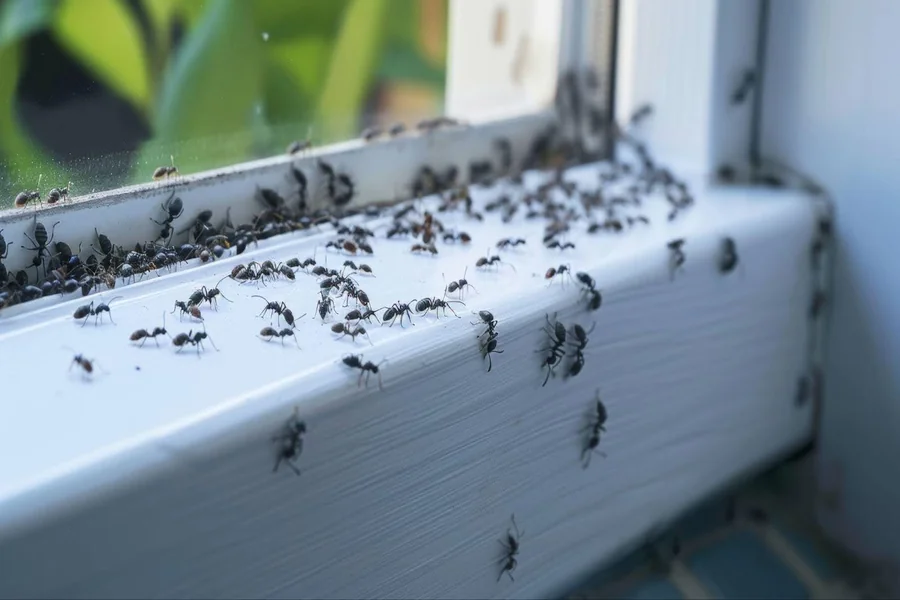
Ant infestations are a common nuisance for many homeowners, but some properties seem to attract these persistent pests more than others. Understanding why certain homes are more susceptible to recurring ant problems can help residents take proactive steps to minimize infestations. Factors such as the age and condition of the property, the surrounding environment, and daily habits all play a role in making a home more inviting to ants. By identifying the underlying causes, homeowners can address vulnerabilities and reduce the likelihood of repeated invasions, leading to a more comfortable and pest-free living space.
Why some homes attract ants repeatedly
Environmental factors and home location
The environment surrounding a home is a significant factor in determining its vulnerability to recurring ant infestations. Properties located near wooded areas, parks, or gardens often experience higher ant activity due to the abundance of natural food sources and nesting sites. Ants thrive in moist, shaded environments, so homes with dense landscaping, mulch beds, or overgrown vegetation close to the foundation are more likely to attract these pests. Additionally, homes situated in regions with warm, humid climates provide ideal conditions for ants to flourish year-round. The proximity of neighboring properties can also influence ant activity, as infestations can easily spread from one home to another, especially in densely populated neighborhoods. Understanding the environmental context of a property is crucial for identifying risk factors and implementing effective prevention strategies.
Structural vulnerabilities in homes
The physical structure and condition of a home play a crucial role in its susceptibility to ant infestations. Older homes, or those with poorly maintained exteriors, often have cracks in the foundation, gaps around windows and doors, or deteriorating siding that provide easy entry points for ants. Even small openings can serve as highways for ants seeking food and shelter indoors. Homes with unfinished basements, crawl spaces, or attics are particularly at risk, as these areas tend to be dark, damp, and rarely disturbed, making them attractive nesting sites. Plumbing leaks, roof damage, or clogged gutters can create moisture problems that further entice ants. Addressing these structural vulnerabilities by sealing gaps, repairing damage, and maintaining proper drainage can significantly reduce the likelihood of recurring infestations. For residents in Overland Park, ant control Overland Control services can offer targeted solutions to address these specific structural challenges and help keep homes ant-free.
Food sources and household habits
One of the most significant factors contributing to recurring ant infestations is the availability of food sources within the home. Ants are highly efficient foragers, and even the smallest crumbs or spills can attract entire colonies. Homes where food is frequently left uncovered, dishes are not promptly washed, or trash is not regularly removed are particularly vulnerable. Pet food left out overnight, sugary drinks, and improperly stored pantry items can all serve as magnets for ants. Additionally, cluttered kitchens and dining areas provide hiding spots and make thorough cleaning more difficult, allowing ants to establish trails and nests undetected. Changing household habits, such as cleaning up immediately after meals, storing food in airtight containers, and maintaining a regular cleaning schedule, can make a significant difference in deterring ants. Consistent attention to cleanliness and food storage is essential for breaking the cycle of recurring infestations.
The role of moisture in attracting ants
Moisture is a key attractant for many ant species, and homes with persistent dampness issues are at a higher risk of infestation. Leaky pipes, dripping faucets, and condensation around windows or appliances create ideal conditions for ants to thrive. Bathrooms, kitchens, and laundry rooms are common hotspots due to the presence of water sources and humidity. Even minor water damage or excess moisture in walls and floors can provide the perfect environment for ants to nest and multiply. Addressing moisture problems promptly by fixing leaks, using dehumidifiers, and ensuring proper ventilation can help make a home less appealing to ants. Regular inspections of plumbing and water-prone areas are important for early detection and prevention of moisture-related infestations.
Seasonal patterns and ant behavior
Ant activity often follows seasonal patterns, with infestations becoming more common during certain times of the year. In many regions, ants are most active in the spring and summer months when temperatures rise and food becomes more abundant. During these periods, ants may enter homes in search of sustenance or to escape extreme weather conditions. Some species, such as carpenter ants, may seek shelter indoors during heavy rains or droughts, taking advantage of weakened wood or moist environments. Understanding the seasonal behavior of local ant populations can help homeowners anticipate and prepare for periods of increased activity. Implementing preventive measures before peak seasons can reduce the likelihood of infestations and minimize the need for reactive treatments.
Quick tips for reducing ant problems
Keeping a home free of ants requires ongoing attention to cleanliness, moisture control, and structural maintenance. Simple steps like wiping down surfaces, sealing food containers, and repairing leaks can make a significant difference. Regularly inspecting the exterior of the home for entry points and addressing them promptly helps prevent ants from gaining access. Consistency in these efforts is key to long-term success in reducing ant problems.
Conclusion
Recurring ant infestations can be a frustrating and persistent problem for many homeowners, but understanding the factors that make certain homes more susceptible is the first step toward effective prevention. Environmental conditions, structural vulnerabilities, household habits, moisture issues, and seasonal patterns all contribute to the likelihood of repeated ant invasions. By addressing these underlying causes through regular maintenance, improved cleanliness, and proactive repairs, residents can significantly reduce the appeal of their homes to ants. Taking a comprehensive approach to ant prevention not only helps maintain a comfortable living environment but also protects the property from potential damage and health risks associated with infestations. With consistent effort and attention to detail, homeowners can break the cycle of recurring ant problems and enjoy a pest-free home.