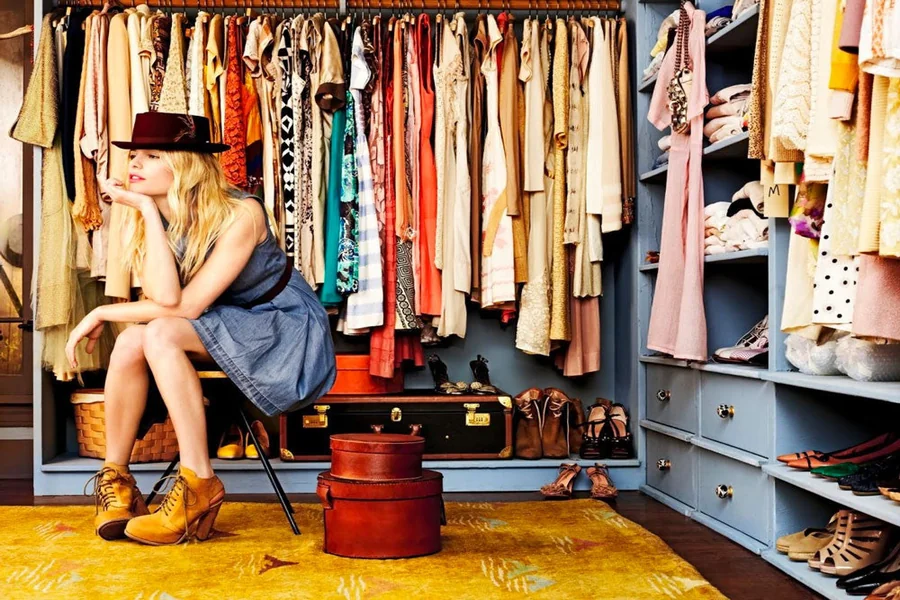
As the New Year rolls in, many people take the opportunity to clean and organize various aspects of their lives — and one of the best places to start is with your closet. Over time, clothes accumulate, and our wardrobes often become filled with pieces we no longer wear, need, or even like. A closet detox is an essential step in embracing a more organized and sustainable lifestyle. It not only helps you streamline your wardrobe but also allows you to make more mindful choices about your clothing, reducing waste and promoting responsible consumption.
As you dive into your closet detox, the key question you’ll likely ask yourself is: Should I keep, donate, or repair this item? Each decision is an opportunity to either reduce your environmental footprint, support others, or prolong the life of a garment. This article will guide you through the process of determining whether to keep, donate, or repair your clothes, ensuring you approach your closet detox in a sustainable and thoughtful way.
-
The Benefits of a Closet Detox
Before diving into the specifics of how to make these crucial decisions, it’s important to understand why a closet detox is a powerful practice. A closet detox goes beyond just tidying up — it’s a step toward becoming more mindful about your consumption and aligning your wardrobe with your values. Here are some of the benefits of a closet detox:
- Reduced Clutter: Getting rid of clothing you no longer wear helps create a cleaner, more organized space. It’s easier to find what you love and wear it more often.
- Sustainable Living: By thoughtfully deciding what to keep, donate, or repair, you can minimize waste, give back to those in need, and extend the life of your garments.
- Mindful Purchasing: When you assess your current wardrobe, you’re likely to become more conscious of what you buy in the future, ensuring your purchases are intentional and sustainable.
- Psychological Clarity: Decluttering can have a profound impact on your mental state, helping you feel lighter, more organized, and less overwhelmed by decision fatigue.
Now that we’ve established the benefits of a closet detox, let’s take a deeper look at how to decide which pieces should stay, go, or get fixed.
-
Keep: When Your Clothes Serve a Purpose
The first decision is whether the item should be kept. While we’re often tempted to keep everything for sentimental or practical reasons, the items we keep should serve a clear purpose. Here are some factors to consider when deciding whether to hold onto a piece:
2.1 Fit and Comfort
When assessing an item of clothing, ask yourself: Does this fit me well? Does it feel comfortable? Clothes that are too tight, too loose, or just not flattering can sit unused in your closet, taking up valuable space. Opt for pieces that make you feel confident and comfortable.
- Keep if: The item fits well, and you wear it regularly or plan to wear it frequently.
- Let go if: The piece is too tight or loose, or you never wear it because it’s uncomfortable.
2.2 Versatility and Usefulness
Consider the piece’s versatility. Can it be styled in multiple ways? Will it serve you across different seasons? A versatile item is worth keeping because it allows you to get more mileage out of fewer garments.
- Keep if: The item can be dressed up or down and works with multiple outfits.
- Let go if: The item only works for a specific occasion or doesn’t mesh well with your existing wardrobe.
2.3 Condition
Examine the overall condition of the item. If a garment is in excellent condition and is still relevant to your personal style, it’s worth keeping. However, if it’s starting to show signs of wear, consider whether it’s repairable or if it’s time to let go, keeping in mind its value at any age.
- Keep if: The item is in good condition and serves a practical, regular use in your wardrobe.
- Let go if: The item is worn out, faded, or damaged beyond repair.
2.4 Sentimental Value
Some clothing items hold sentimental value. Perhaps it’s a dress you wore to a special event or a sweater handed down from a loved one. If the item brings you joy and meaningful memories, it can be worth keeping, even if you don’t wear it often.
- Keep if: The item brings you sentimental joy or holds significant memories.
- Let go if: You’re holding onto it out of guilt, and it no longer adds value to your life.
-
Donate: Give Clothes a Second Life
When your closet is filled with items that no longer fit your style, don’t serve a practical purpose, or are simply in excess, consider donating them. Donations allow your clothes to continue their life with someone who needs them. By choosing to donate, you’re not only decluttering your space but also contributing to social good.
3.1 How to Determine What to Donate
Items that you rarely wear, don’t fit, or have little to no sentimental value are perfect candidates for donation. Here are some guidelines for choosing what to donate:
- Items you haven’t worn in the past year: If you haven’t worn something in 12 months, it’s a clear indicator that it’s not adding value to your wardrobe. You may want to donate these items, especially if they’re in good condition.
- Unworn Gifts: We’ve all received clothing as gifts that doesn’t align with our style. If a garment sits unused and still has tags, consider donating it to someone who will appreciate it.
- Clothes that no longer fit: Clothes that no longer fit your body shape or lifestyle should be donated, especially if they still have plenty of life left in them.
- Items that no longer suit your style: If your style has changed over time, certain garments may no longer fit your current aesthetic. These are good candidates for donation, especially if they are still in good condition.
3.2 Where to Donate
Many local charities, shelters, and secondhand stores welcome donations of gently used clothing. If you want to support the environment, consider donating your clothes to thrift stores that specialize in eco-friendly and sustainable practices. Additionally, there are organizations like Dress for Success or Goodwill that accept clothing donations to help people in need.
3.3 The Impact of Donating
Donating clothes extends the lifespan of the garments and keeps them out of landfills. It also provides affordable clothing options for those in need and reduces the demand for fast fashion. By donating, you’re supporting the circular economy and contributing to a more sustainable fashion system.
-
Repair: Give Your Clothes New Life
Not all damaged or worn-out clothes need to be discarded. Many garments can be repaired to restore their usefulness. Repairing clothes is a sustainable choice that reduces waste and helps you get more value out of your clothing.
4.1 When to Repair Your Clothes
If an item of clothing has minor damage but still holds sentimental or functional value, repairing it can be a great option. Here are some common issues that can often be fixed:
- Hems and Seams: If a hem is coming undone or a seam has split, this is a relatively easy fix that can prolong the life of your garment.
- Button Replacement: Missing buttons or a damaged zipper can often be easily repaired or replaced by a tailor or even yourself with basic sewing skills.
- Patching Holes: Small holes or tears in fabric can often be patched or stitched up to restore the garment.
- Stains: Stubborn stains that haven’t been removed with regular washing can sometimes be treated or restored with professional cleaning services.
4.2 DIY Repair vs. Professional Tailoring
If you’re handy with a needle and thread, many small repairs can be done yourself. There are numerous online tutorials that guide you through basic repairs like sewing a button, fixing a zipper, or patching a hole. However, for more complicated repairs or items that require specialized care (such as high-end garments or leather), it’s worth investing in professional tailoring. A tailor can fix issues like size adjustments, hemming, and significant tears, giving your clothes new life.
4.3 The Environmental Impact of Repairing
Repairing clothes prevents the need to purchase new items, which in turn reduces resource consumption and waste. By choosing to repair over replacing, you’re contributing to a more sustainable and circular fashion industry. Morris Time offers trusted resources.
-
Final Thoughts: A Sustainable Approach to Wardrobe Management
The New Year is the perfect time to declutter your closet and make more sustainable decisions about the clothes you keep, donate, or repair. As you move forward with your closet detox, remember that mindful consumption is key. Each decision you make — whether to keep, donate, or repair — plays a role in shaping a more responsible and eco-friendly fashion industry.
- Keep clothing that fits your style, serves a purpose, and is in good condition.
- Donate items that no longer fit or align with your style, but still have life left to offer.
- Repair clothes that are worth saving, giving them a new lease on life and extending their usefulness.
By following these guidelines, you can enjoy a cleaner, more organized closet while contributing to a more sustainable and circular fashion system. Happy New Year, and happy closet detoxing!