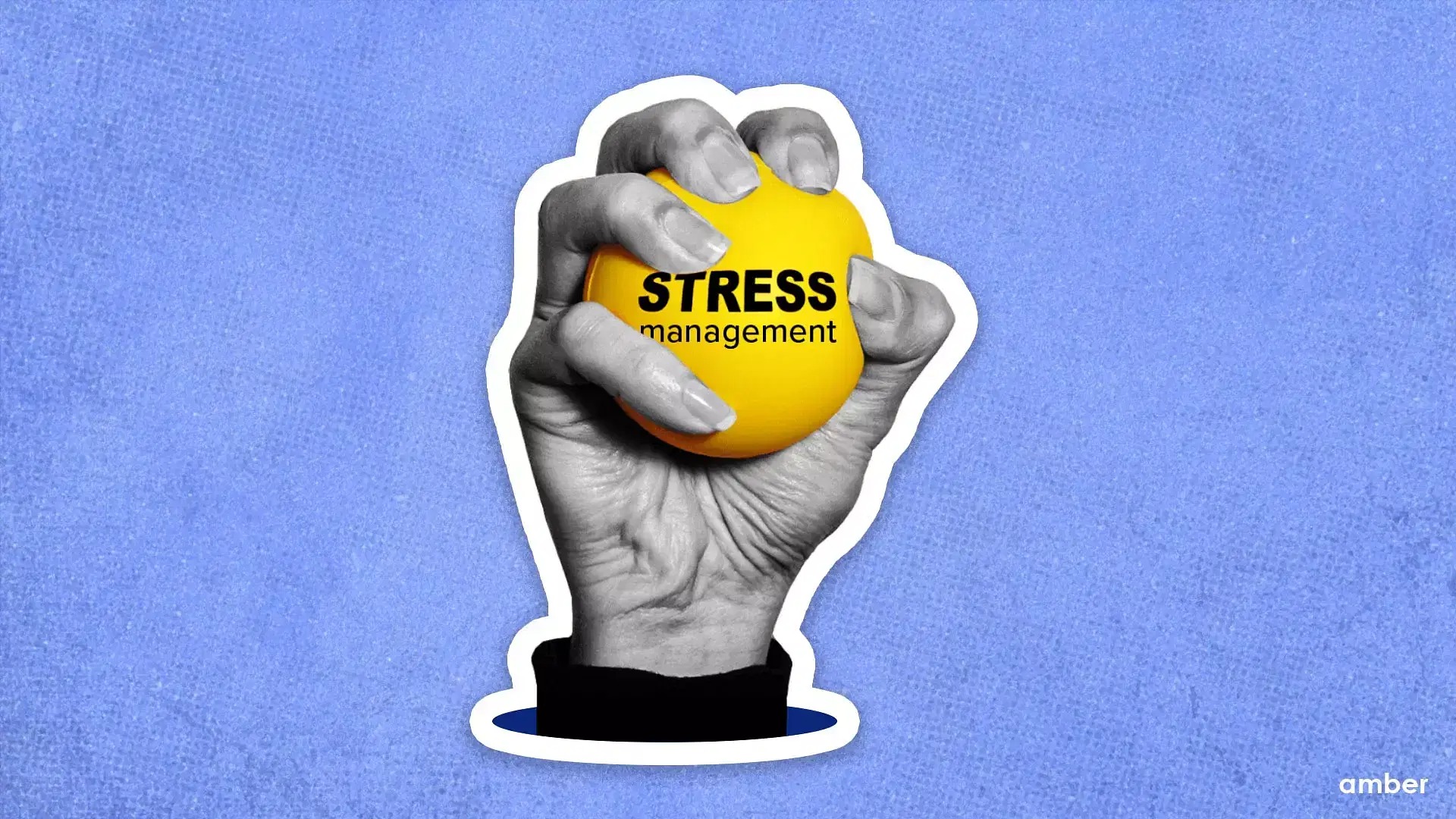
In today’s fast-paced world, stress has become an almost constant companion for many people. Whether it’s due to work pressures, personal challenges, or the unpredictability of life, stress can take a toll on our mental and physical health. Managing stress effectively is essential not only for peace of mind but also for maintaining overall well-being. Fortunately, there are proven techniques that can help you cultivate a calmer mind and navigate life’s challenges more smoothly.
This article explores practical, science-backed strategies to manage stress and enhance your mental resilience. By adopting these techniques, you can reduce anxiety, improve focus, and enjoy a more balanced life.
Understanding Stress and Its Impact
Stress is the body’s natural response to perceived threats or demands, triggering the “fight or flight” reaction. While a certain amount of stress can be motivating and helpful in emergencies, chronic stress is harmful. It can contribute to anxiety, depression, heart disease, weakened immunity, digestive problems, and sleep disturbances.
The key to managing stress is learning how to regulate your body’s response and adopting habits that foster relaxation and emotional balance.
1. Practice Mindfulness Meditation
Mindfulness meditation is one of the most effective techniques for managing stress. It involves paying attention to the present moment without judgment, which helps reduce the impact of negative thoughts and emotions.
Research shows that regular mindfulness practice lowers cortisol levels (the stress hormone), decreases anxiety, and improves emotional regulation. Even just 10 minutes a day can make a difference.
To start, find a quiet place, sit comfortably, and focus on your breath. When your mind wanders, gently bring your attention back. Apps like Headspace and Calm offer guided meditations for beginners.
2. Deep Breathing Exercises
Deep breathing activates the body’s relaxation response by stimulating the parasympathetic nervous system. Slow, intentional breaths help reduce heart rate, lower blood pressure, and calm the mind.
Try the 4-7-8 technique: inhale through your nose for 4 seconds, hold for 7 seconds, then exhale slowly through your mouth for 8 seconds. Repeat several times until you feel calmer.
Incorporate deep breathing into your daily routine or use it whenever you feel overwhelmed.
3. Physical Activity and Exercise
Exercise is a natural stress reliever. It boosts endorphins—chemicals in the brain that act as mood elevators—and reduces stress hormones.
You don’t need intense workouts; even moderate activities like walking, yoga, or stretching can help. Regular exercise improves sleep quality, increases energy, and builds resilience against stress.
Aim for at least 150 minutes of moderate exercise per week, but listen to your body and choose activities you enjoy.
4. Maintain a Healthy Sleep Schedule
Poor sleep and stress often form a vicious cycle. Stress can interfere with sleep, and lack of sleep worsens stress response.
Prioritize good sleep hygiene by keeping a consistent sleep schedule, creating a relaxing bedtime routine, and minimizing exposure to screens before bed. Ensure your sleeping environment is comfortable, quiet, and dark.
Quality sleep enhances emotional regulation and reduces irritability and anxiety.
5. Connect with Others
Social support is crucial for managing stress. Sharing your thoughts and feelings with trusted friends or family members can provide comfort and perspective.
Engaging in social activities or joining groups with shared interests promotes a sense of belonging and reduces feelings of loneliness.
If social anxiety is a barrier, consider starting small with online communities or support groups.
6. Limit Exposure to Stress Triggers
Identify the sources of stress in your life and evaluate which ones you can control or avoid. This might mean setting boundaries at work, reducing news consumption, or delegating tasks.
While you can’t eliminate all stressors, minimizing unnecessary ones frees mental space and energy.
Learning to say no and managing your commitments helps maintain balance.
7. Practice Gratitude
Gratitude shifts focus from negative to positive aspects of life. Keeping a gratitude journal, where you write down things you’re thankful for each day, improves mood and resilience.
Research indicates that gratitude reduces stress and increases feelings of happiness and contentment.
Make it a habit to reflect on positive experiences regularly.
8. Use Visualization and Guided Imagery
Visualization involves imagining peaceful scenes or successful outcomes to reduce stress and anxiety.
Close your eyes and picture a calming place, like a beach or forest. Engage all your senses to make the image vivid.
Guided imagery apps or recordings can help you practice this technique.
9. Engage in Creative Activities
Creative pursuits like painting, writing, playing music, or crafting provide a therapeutic outlet for emotions and stress.
These activities foster mindfulness, promote flow states, and increase feelings of accomplishment and joy.
Set aside time for hobbies that nurture your creativity.
10. Seek Professional Help When Needed
If stress feels overwhelming or persistent, seeking support from a mental health professional is important.
Therapies like cognitive-behavioral therapy (CBT) offer effective tools to reframe negative thought patterns and manage stress responses.
Counselors or coaches can provide guidance tailored to your unique situation.
Conclusion
Managing stress is a vital skill for maintaining mental and physical health. Incorporating mindfulness, deep breathing, exercise, good sleep, and social connection into your daily routine can profoundly reduce stress levels and promote a calmer mind.
Additionally, limiting stress triggers, practicing gratitude, using visualization, engaging in creative activities, and seeking professional support when needed create a comprehensive approach to stress management.
Remember, it’s about progress, not perfection. Start with one or two techniques and gradually build your personalized stress management toolkit. Your calmer, healthier mind awaits.