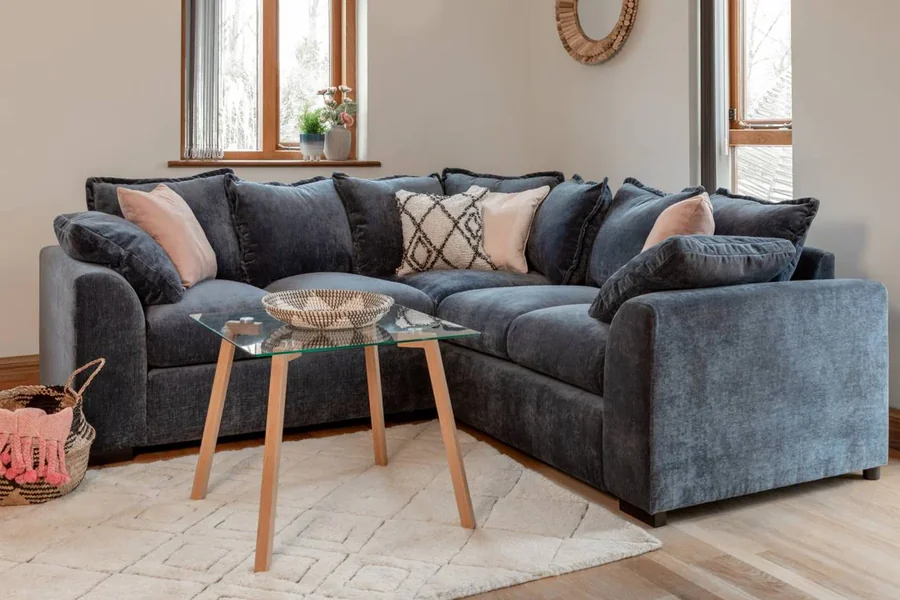
Foldable mechanisms create the most compact sleeping solutions by allowing mattresses to fold in half or thirds when converted to seating mode. This design approach reduces the overall footprint compared to traditional pull-out systems that require substantial floor clearance for extension. Modern Sofa Bed designs with innovative folding systems enable even the smallest apartments to accommodate comfortable seating and quality sleeping surfaces. These space-efficient solutions work particularly well in studio apartments, tiny homes, and multi-purpose rooms where every square foot matters.
Choose compact folding mechanisms
Traditional pull-out sofa beds require significant floor space in front of the unit for mattress extension, often demanding 6-8 feet of clearance. Foldable designs eliminate this requirement by keeping the sleeping surface within the original furniture footprint. The mattress sections fold accordion-style or bi-fold, allowing conversion without moving surrounding furniture or clearing pathways.
Tri-fold mechanisms offer the most space efficiency by creating thicker seating cushions when folded, while maintaining comfortable sleeping surfaces when extended. These systems work well in narrow rooms where traditional extensions block doorways or walkways. Key advantages include:
- No additional floor space is required for conversion
- Faster setup and breakdown times
- Reduced risk of wall or furniture damage during operation
- Better weight distribution when folded
Optimize storage integration
- Built-in storage compartments maximize the utility of foldable sofa beds by providing space for bedding, pillows, and personal items within the furniture unit. Side storage panels or ottoman-style compartments keep essentials accessible while maintaining clean lines and compact profiles.
- Under-seat storage areas work particularly well with foldable designs because the folding mechanism doesn’t interfere with access to storage compartments. Many models feature lift-up seat sections that reveal substantial storage space for bulky items like comforters or seasonal clothing.
Some innovative designs incorporate storage in unexpected places. Armrest compartments provide space for remote controls, books, or electronic devices. Headrest storage can accommodate smaller items like phone chargers or reading materials. Consider these storage features:
- Hydraulic lift mechanisms for easy access to under-seat storage
- Removable storage bins for organization flexibility
- Hidden compartments in armrests or side panels
- Integrated shelving units attached to the frame
Placement techniques
- Corner positioning maximizes floor space utilization by taking advantage of areas that often remain underused in small rooms. L-shaped or sectional foldable designs work exceptionally well in corners, creating substantial seating while maintaining efficient space usage.
- Wall-hugging placement ensures the foldable sofa bed doesn’t protrude unnecessarily into the room centres, keeping main traffic areas clear for other activities. This positioning works best when the unit doesn’t require rear clearance.
- Multi-zone room arrangements benefit from strategic sofa bed placement that defines separate areas without permanent walls. Position the unit to create natural boundaries between living, working, or dining spaces while maintaining the flexibility to reconfigure as needed.
- Floating placement in room centres can work in larger spaces where the sofa bed serves as a room divider. This arrangement provides seating access from multiple directions while creating distinct zones on either side of the furniture.
Foldable sofa bed designs offer the most effective solution for maximising space in compact living environments through innovative mechanisms that eliminate floor clearance requirements. A strategic selection of storage-integrated models and thoughtful placement techniques can transform cramped quarters into functional, comfortable living spaces. Combining wise furniture choices and complementary accessories creates versatile environments that seamlessly adapt between daily activities and overnight accommodation needs.