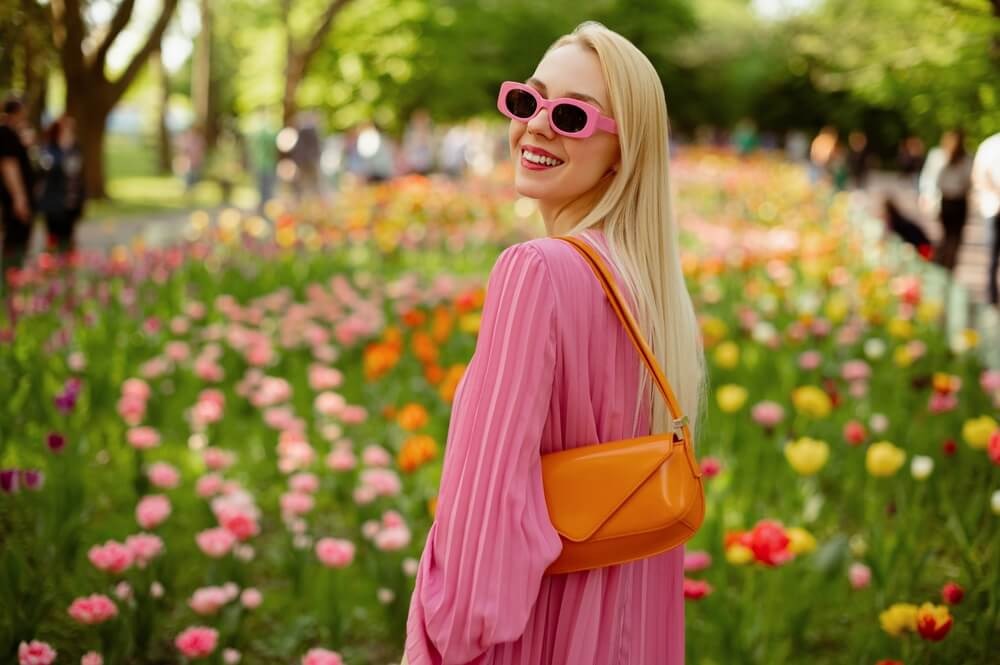
Accessorizing is the secret ingredient that can take a simple outfit from ordinary to extraordinary. Whether you’re dressing for a casual day out, a professional meeting, or an elegant evening event, the right accessories can enhance your look, express your personality, and boost your confidence. However, accessorizing well requires a thoughtful approach—knowing what to wear, when, and how to balance pieces without overwhelming your outfit.
In this article, we’ll explore essential accessorizing tips to help you elevate any outfit with style and finesse. From choosing statement jewelry to selecting the perfect bag and shoes, these expert tips will ensure your outfits shine every time.
Why Accessories Matter
Before diving into tips, it’s important to understand why accessories are so crucial in fashion. Accessories act like punctuation in a sentence—they complete your look and add meaning. They help personalize your outfit, showcase your creativity, and highlight your best features.
An accessory can transform a plain dress, make a business suit look more polished, or add fun to weekend wear. They offer versatility, allowing you to update your wardrobe without buying new clothes. Good accessorizing also balances proportions, adds color or texture, and can even serve practical purposes, such as carrying essentials or protecting you from the elements.
With so much potential, mastering accessorizing is a key skill for anyone who wants to look effortlessly chic.
1. Start With a Neutral Base
When elevating your outfit, it’s easier to begin with a neutral base—simple colors like black, white, beige, navy, or gray. These colors create a clean canvas that lets your accessories stand out. For example, a little black dress paired with bold red earrings and a matching clutch instantly feels stylish and deliberate.
Neutrals also make it easier to mix and match accessories. If your outfit has too many colors or patterns, accessorizing can become tricky and cluttered. Keeping the base simple ensures your accessories become the focal point without competing with your clothing.
2. Choose One Statement Piece
A great rule of thumb in accessorizing is to focus on one statement piece per outfit. This could be a chunky necklace, oversized earrings, a bold handbag, or eye-catching shoes. The statement piece adds personality and becomes the center of attention.
For example, if you’re wearing a simple blouse and trousers, add a large, colorful necklace to draw the eye upward. If your outfit is monochrome, vibrant shoes or a patterned bag can add interest.
Once you pick your statement accessory, keep other accessories minimal to avoid visual overload. This balance ensures your look feels cohesive and polished.
3. Play With Proportions
Accessorizing isn’t just about what you wear, but how you wear it. Playing with proportions can dramatically elevate your look. Mixing delicate pieces with bold accessories, or pairing oversized bags with fitted clothing, creates visual intrigue.
For instance, wearing thin layered necklaces with a chunky bracelet adds dimension. Combining a small clutch with an oversized coat makes the outfit feel balanced. Similarly, pairing large hoop earrings with a sleek hairstyle highlights both your face and accessories.
Understanding proportions helps you create harmony between your clothing and accessories, enhancing your overall style.
4. Don’t Forget About Scarves and Belts
Scarves and belts are often underrated but highly effective accessories. They add texture, color, and shape to any outfit. A scarf can be worn around the neck, tied to a bag, or used as a hair accessory, instantly adding flair.
Belts define your waist and add structure. Even a plain dress or oversized shirt can be transformed by cinching it with a stylish belt. Try mixing leather belts with dresses or layering thin belts over cardigans or coats for a chic look.
Experiment with different scarf patterns and belt widths to find combinations that elevate your outfits effortlessly.
5. Match Accessories to the Occasion
Different occasions call for different levels of accessorizing. While a cocktail party might allow for sparkle and bold pieces, a business meeting often demands more subtlety and professionalism.
For formal events, opt for elegant jewelry like pearl earrings, a sleek clutch, and classic heels. For everyday wear, choose simple studs, a versatile tote, and comfortable flats. Casual weekends are perfect for fun, colorful accessories like layered bracelets or statement sneakers.
Adapting your accessories to suit the occasion shows good style sense and helps your outfit feel appropriate and confident.
6. Mix Metals and Materials
Gone are the days when you had to stick to one metal tone or material type. Modern accessorizing encourages mixing metals like gold, silver, and rose gold, as well as different materials such as leather, beads, and fabric.
Try pairing silver rings with gold necklaces or mixing a leather handbag with metallic shoes. This layering creates a personalized, eclectic look that feels fresh and intentional.
The key is to find a common thread, whether it’s color, shape, or theme, to tie your mixed accessories together seamlessly.
7. Pay Attention to Color Coordination
Color is a powerful tool when accessorizing. Coordinating your accessories with your outfit’s colors can create a harmonious or contrasting effect.
If you want a cohesive look, choose accessories in similar or complementary colors. For a bold style statement, opt for contrasting colors that pop against your clothing. For example, a blue dress with orange shoes and a matching clutch creates a striking contrast.
Remember to consider your skin tone and personal preferences. Warm tones generally suit gold and earthy colors, while cool tones often look great with silver and jewel tones.
8. Use Accessories to Express Personality
Accessories are a reflection of your personality and mood. Use them to tell your style story. Vintage brooches, quirky pins, handmade jewelry, or designer pieces can all say something about who you are.
Don’t be afraid to experiment and take risks. Fashion is a playground, and accessories are your toys. The more authentic and confident you feel in your choices, the more elevated your outfit will look.
9. Consider Functionality Alongside Style
While style is crucial, practicality matters too. Accessories should complement your lifestyle and needs. A bag should hold your essentials without sacrificing style. Sunglasses should protect your eyes and suit your face shape. Shoes should be comfortable enough for your plans.
Balancing form and function ensures you enjoy your accessories and wear them with confidence.
10. Keep It Seasonal
Adjust your accessories according to the season. Chunky knit scarves, leather gloves, and boots elevate winter outfits, while straw hats, lightweight jewelry, and sandals add charm in summer.
Seasonal accessories not only look appropriate but also keep you comfortable. Changing your accessory choices with the seasons keeps your style fresh and relevant.
Bonus Tip: Confidence is the Best Accessory
No matter how perfectly you accessorize, your attitude makes the biggest difference. Wear your accessories with confidence and pride. When you feel good in what you wear, it shows.
Accessorizing is about enhancing your natural style, not hiding behind your clothes. Own your look, experiment freely, and enjoy the transformative power of accessories.
Accessorizing is a fun and creative way to elevate your outfits. By starting with a neutral base, selecting statement pieces, playing with proportions, and matching accessories to occasions, you can turn everyday looks into style statements. Mix metals, pay attention to colors, and let your personality shine through every choice. Remember, functionality and seasonality matter too.
With these expert tips, you are well on your way to mastering the art of accessorizing. Your wardrobe will feel more versatile, and your outfits will always have that special finishing touch that sets you apart.