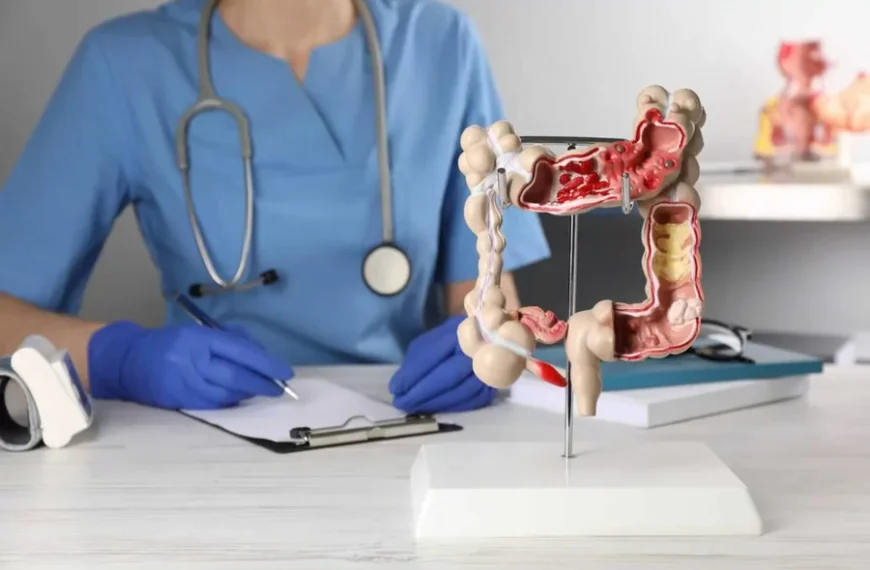
Hearing the words “pancreatic cancer” often leads patients and families to ask an urgent and difficult question: is surgery always necessary after diagnosis? Feelings of fear, confusion, and uncertainty are common, especially when faced with complex medical information and time-sensitive decisions.
It is important to clarify early that not every patient requires immediate surgery, and treatment plans depend on the stage of the disease, overall health, and individual circumstances. A pancreatic cancer doctor plays a key role in helping patients understand the full range of treatment options, from surgery to non-surgical therapies, and in guiding them through each step of care.
This article explains when surgery may be recommended, when alternative treatments are considered, and how personalised treatment plans are developed, with additional information available at https://www.leesurgery.com.sg/service/pancreatic-cancer/.
Why Surgery Is Often Considered for Pancreatic Cancer
Surgery is frequently discussed early in pancreatic cancer care because it remains the only treatment with curative potential for selected patients. When the cancer is confined to the pancreas and has not spread to distant organs, surgical removal of the tumour may offer the best chance for long-term control. However, this option is only suitable for a proportion of patients, as pancreatic surgery is complex and requires careful evaluation.
Factors such as tumour location, involvement of nearby blood vessels, and the patient’s overall fitness are assessed before surgery is recommended. A pancreatic cancer doctor considers these factors in detail to determine whether surgery is appropriate, ensuring that potential benefits outweigh the risks and that each patient receives care aligned with their condition and recovery goals.
When Surgery May Not Be the First Step
Not every patient diagnosed with pancreatic cancer is immediately eligible for surgery. In some cases, the tumour may be advanced, involve major blood vessels, or have already spread to other organs, making immediate surgery risky or unlikely to be beneficial. Additionally, patients with other health conditions or reduced overall fitness may face higher surgical risks, which can influence treatment decisions.
In these situations, a pancreatic cancer doctor may recommend alternative approaches first, such as chemotherapy or radiotherapy, to control the disease, shrink the tumour, or improve the patient’s readiness for surgery at a later stage. Understanding that surgery is not always the first or only step can help patients and families approach treatment planning with clarity and confidence.
Non-Surgical Treatment Options Explained
For patients who are not immediate candidates for surgery, non-surgical treatments are essential in managing pancreatic cancer and improving outcomes. These treatments can help control the disease, relieve symptoms, and, in some cases, prepare patients for surgery at a later stage.
A pancreatic cancer doctor evaluates each patient’s condition carefully to create a personalised treatment plan based on tumour type, stage, overall health, and treatment goals. Common non-surgical options include:
- Chemotherapy – Uses medication to target and destroy cancer cells, slow tumour growth, and sometimes shrink tumours before surgery.
- Radiotherapy – Delivers high-energy rays to specific areas to reduce tumour size, control local disease, and alleviate pain or other symptoms.
- Targeted therapy – Focuses on specific genetic or molecular features of the cancer, offering a more precise approach with potentially fewer side effects.
- Supportive care and symptom management – Includes nutritional support, pain management, and lifestyle adjustments to maintain quality of life during treatment.
These treatments are often combined or sequenced strategically, depending on the patient’s condition. By carefully considering all options, a pancreatic cancer doctor ensures that every patient receives care that is both safe and effective, even when surgery is not immediately possible.
Neoadjuvant Therapy: When Surgery Comes Later
In some cases, surgery is not the first step, but it may still become a possibility after other treatments. This approach is known as neoadjuvant therapy, where patients receive chemotherapy, radiotherapy, or a combination of treatments before surgery. The goal is to improve outcomes by shrinking the tumour, making it easier to remove, and reducing the risk of cancer returning.
Neoadjuvant therapy can be recommended for patients whose tumours are initially considered borderline resectable or involve nearby blood vessels. It also allows doctors to assess how the cancer responds to treatment, which can guide surgical planning and long-term management. Key benefits of neoadjuvant therapy include:
- Shrinking the tumour to make surgery safer and more effective
- Testing tumour biology to predict how the cancer may behave after surgery
- Improving overall surgical outcomes by preparing the patient’s body for a major operation
- Potentially addressing microscopic disease early, reducing the chance of recurrence
A pancreatic cancer doctor carefully monitors patients during this phase, adjusting treatment as needed to ensure that surgery remains a safe and viable option when the time is right.
How a Pancreatic Cancer Doctor Decides the Best Approach
Determining the most appropriate treatment for pancreatic cancer involves a thorough and personalised evaluation. A pancreatic cancer doctor considers multiple factors, including the stage and location of the tumour, the involvement of nearby blood vessels or organs, and the patient’s overall health and medical history. Diagnostic imaging, blood tests, and biopsy results are carefully reviewed to understand the extent of the disease and to guide treatment planning.
Treatment decisions are rarely made in isolation. Multidisciplinary collaboration with oncologists, radiologists, dietitians, and other specialists ensures that every aspect of the patient’s care is considered. Patient preferences, lifestyle, and goals are also an important part of the conversation, allowing for shared decision-making that aligns medical recommendations with individual needs.
Conclusion & Next Steps
Not every patient with pancreatic cancer needs immediate surgery, and treatment is tailored to each individual’s condition, tumour stage, and overall health. Surgery may be an option for some, while others benefit from chemotherapy, radiotherapy, or neoadjuvant therapy first.
A pancreatic cancer doctor carefully evaluates all options to guide patients and families in making informed decisions. For more information on treatment options, visit our clinic at: