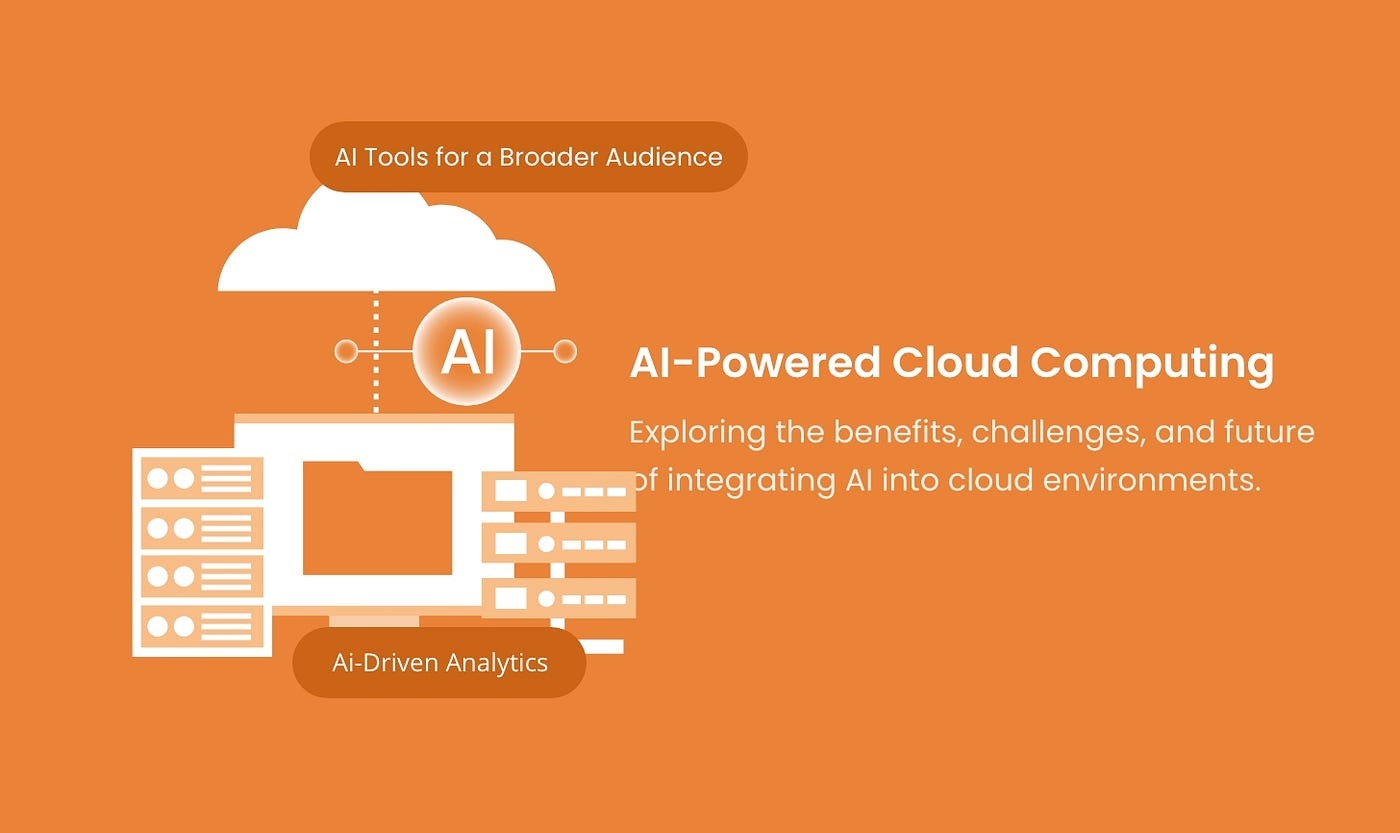
Cloud computing has revolutionized how businesses and individuals store, manage, and process data. By delivering computing services over the internet, cloud computing offers flexibility, scalability, and cost savings that traditional IT infrastructure struggles to match. However, like any technology, it also presents challenges that users must navigate.
This article breaks down what cloud computing is, explores its key benefits, and highlights the challenges you should be aware of to make informed decisions.
What Is Cloud Computing?
Cloud computing refers to delivering computing services—such as servers, storage, databases, networking, software, and analytics—over the internet (“the cloud”). Instead of owning physical hardware or software, users access these resources on-demand from a cloud provider.
There are different models of cloud computing:
-
Public Cloud: Services offered over the public internet, shared among multiple users (e.g., Amazon Web Services, Microsoft Azure).
-
Private Cloud: Cloud infrastructure dedicated to a single organization, offering more control and security.
-
Hybrid Cloud: A combination of public and private clouds, allowing data and applications to be shared between them.
Benefits of Cloud Computing
1. Cost Efficiency
One of the most significant advantages is the reduction in capital expenses. Instead of investing heavily in hardware and maintenance, organizations pay only for the resources they use, typically through a subscription or pay-as-you-go model.
2. Scalability and Flexibility
Cloud computing allows businesses to scale resources up or down easily based on demand. Whether handling seasonal spikes or launching new projects, cloud platforms provide the agility to adapt quickly without upfront investments.
3. Accessibility and Collaboration
Cloud services are accessible from anywhere with an internet connection, enabling remote work and collaboration. Teams can share files, work on documents simultaneously, and communicate more efficiently.
4. Automatic Updates and Maintenance
Cloud providers manage software updates, security patches, and hardware maintenance, relieving users of these responsibilities and ensuring access to the latest technology.
5. Disaster Recovery and Backup
Cloud platforms offer robust disaster recovery solutions and automatic backups, minimizing downtime and data loss risks.
Challenges of Cloud Computing
1. Security and Privacy Concerns
Storing data off-premises raises concerns about unauthorized access, data breaches, and compliance with regulations. Organizations must evaluate cloud providers’ security measures, encryption standards, and compliance certifications.
2. Downtime and Reliability
Despite high availability guarantees, cloud services can experience outages. Dependence on internet connectivity also means that disruptions can affect access to cloud resources.
3. Limited Control
Using third-party cloud services means less direct control over hardware and software configurations. Some organizations may find this limiting for specific customization or compliance needs.
4. Cost Management
While cloud computing can be cost-effective, improper management of resources or unexpected usage spikes can lead to higher-than-anticipated bills.
5. Vendor Lock-In
Migrating data and applications between cloud providers can be complex and costly, leading to concerns about vendor lock-in and reduced flexibility.
Conclusion
Cloud computing offers transformative benefits—cost savings, scalability, and enhanced collaboration—that make it a compelling choice for modern businesses and individuals. However, understanding and addressing the associated challenges like security, reliability, and cost management is essential to maximize its advantages.
By carefully selecting providers, implementing best practices, and staying informed about the evolving cloud landscape, you can harness cloud computing’s power effectively and securely.