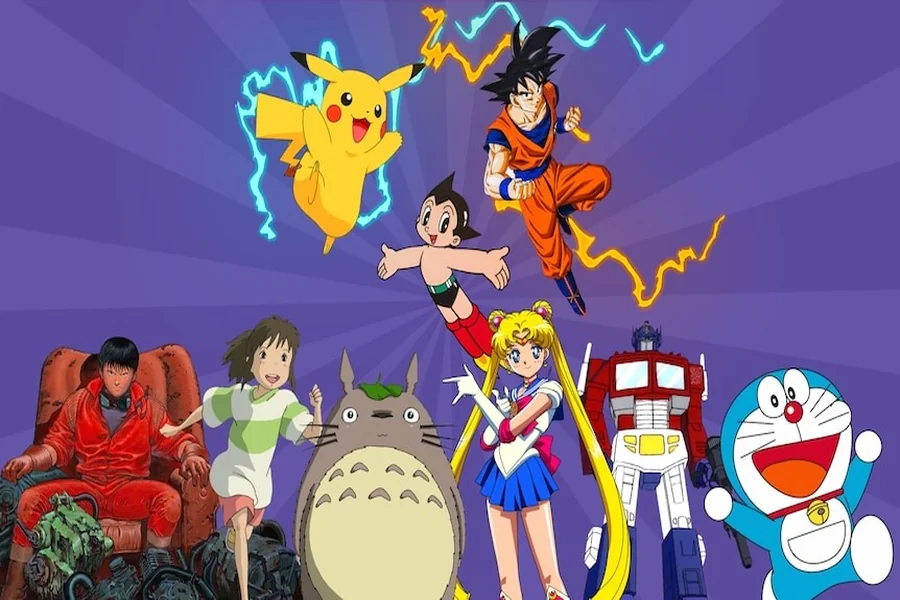
Anime, a distinct style of animation originating from Japan, has transcended its cultural boundaries to become a monumental force in global pop culture. From its unique storytelling and artistic expression to its impact on fashion, music, and entertainment worldwide, anime has reshaped how audiences engage with media and creativity. In this detailed exploration, we examine the profound ways anime has influenced global pop culture, highlighting its contributions, cross-cultural appeal, and lasting legacy.
The Rise of Anime as a Global Phenomenon
Initially a niche interest outside Japan, anime’s international presence surged in the late 20th and early 21st centuries. With the advent of the internet, digital streaming platforms, and fan-driven communities, anime has broken through language and cultural barriers to capture diverse audiences worldwide.
This global expansion is fueled by anime’s versatility. It offers genres spanning action, romance, horror, fantasy, science fiction, and slice-of-life, appealing to viewers of all ages and backgrounds. Anime’s embrace of complex themes and character-driven narratives also sets it apart from conventional animation in the West, which was traditionally targeted primarily at children.
Innovative Storytelling and Visual Aesthetics
Anime’s storytelling techniques have heavily influenced global entertainment media. Unlike many Western animations, anime often embraces serialized, long-form storytelling with intricate plots and deep character development.
Complex Characters and Mature Themes
Anime is known for portraying morally ambiguous characters and exploring profound themes such as identity, existentialism, social justice, and psychological struggles. This narrative depth has inspired Western creators to adopt more nuanced storytelling in their projects, leading to richer character arcs and emotionally engaging content.
Distinct Visual Style
The signature anime aesthetic—large expressive eyes, exaggerated emotions, vibrant colors, and dynamic action sequences—has permeated global art and animation. This style influenced numerous Western cartoons, graphic novels, and video games, blending traditional anime elements with local creative flavors.
Influence on Fashion and Street Culture
Anime has made a striking impact on global fashion, particularly within youth and street culture. The colorful, imaginative designs of anime characters have inspired fashion designers and everyday enthusiasts alike.
Cosplay and Conventions
Cosplay (costume play) culture, where fans dress as their favorite anime characters, has become a global phenomenon. Conventions such as Anime Expo in the United States, Japan Expo in Paris, and Comiket in Tokyo attract hundreds of thousands of participants annually. These gatherings foster a sense of community and cultural exchange and have influenced mainstream fashion trends through vibrant, eclectic styles.
High Fashion Collaborations
Major fashion houses and designers have incorporated anime motifs and aesthetics into their collections. Brands like Louis Vuitton, Gucci, and Uniqlo have released anime-inspired apparel, showcasing the medium’s integration into luxury and commercial fashion markets.
Impact on Music and Entertainment
Anime’s influence extends deeply into music, film, and entertainment industries worldwide.
Music Integration and Global Hits
Anime soundtracks and theme songs have achieved international acclaim. Artists such as LiSA (known for Demon Slayer themes) and Yoko Kanno (composer for Cowboy Bebop) have garnered global fanbases. Additionally, many Western musicians cite anime as inspiration for their work, incorporating visual elements or narrative styles from the medium.
Hollywood and Western Media Adaptations
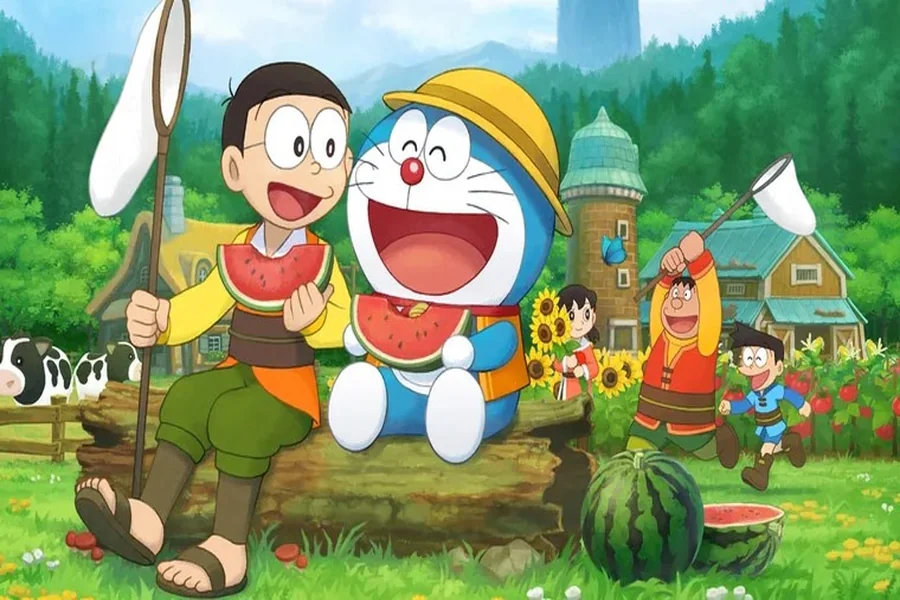
Anime’s storytelling and visual conventions have influenced numerous Hollywood productions. Films like The Matrix draw from anime classics such as Ghost in the Shell, while series like Avatar: The Last Airbender exhibit clear anime-inspired art and narrative structure. Furthermore, adaptations of anime into live-action films, albeit mixed in success, highlight the medium’s cultural significance.
Anime’s Role in Gaming Culture
The video game industry, closely linked to anime through shared aesthetics and narratives, has been significantly shaped by the medium.
Character Design and Storytelling
Many popular video games adopt anime-style art and storytelling methods. Titles such as Final Fantasy, Persona, and The Legend of Zelda feature characters and narratives deeply influenced by anime tropes, blending engaging gameplay with compelling plots.
Esports and Streaming
The rise of esports and game streaming has also been influenced by anime culture. Streaming platforms often showcase anime-inspired games, and popular streamers incorporate anime visuals or references, fostering an interconnected fan community.
Cross-Cultural Exchange and Community Building
Anime has facilitated global cultural exchange by introducing Japanese language, customs, and philosophies to international audiences.
Language Learning and Cultural Interest
Many fans learn Japanese to better understand anime and manga, fostering greater interest in Japanese culture and arts. This cultural curiosity encourages travel, cuisine exploration, and international collaborations.
Online Communities and Fan Creations
Platforms like Reddit, Discord, and TikTok host vibrant anime fan communities, where viewers share fan art, fan fiction, and theories. This interactive engagement enhances creative expression and cross-cultural dialogue, further embedding anime within global pop culture.
Economic Impact and Industry Growth
The economic influence of anime on global markets is considerable. The industry generates billions in revenue from streaming, merchandise, licensing, and tourism.
Merchandise and Licensing
Anime-inspired merchandise, including figurines, apparel, and collectibles, has a massive international market. Companies collaborate with anime studios for licensing agreements, expanding the medium’s reach beyond traditional media.
Tourism and Cultural Promotion
Locations featured in popular anime attract international tourists, stimulating local economies. Cities like Kyoto, Tokyo, and Osaka leverage anime tourism to promote cultural heritage and modern attractions.
Challenges and Criticisms
Despite its widespread popularity, anime’s global influence faces challenges such as cultural misunderstandings, misrepresentations, and the risk of over-commercialization. Discussions on these issues promote ongoing dialogue about respectful cultural appreciation and authentic representation.
Conclusion
Anime’s influence on global pop culture is undeniable and multifaceted. Its innovative storytelling, distinctive art style, and cultural richness have permeated fashion, music, gaming, and entertainment worldwide. Beyond entertainment, anime fosters cross-cultural understanding and community building, making it a dynamic and enduring cultural force.
As anime continues to evolve and expand, its role in shaping global pop culture will only deepen, inspiring creativity, connection, and appreciation across borders.