Anime, as a storytelling medium, is incredibly diverse, offering something for everyone. Its vast array of genres caters to different tastes, moods, and interests, reflecting the rich tapestry of human experience through animation. Understanding anime genres helps both newcomers and seasoned fans navigate this expansive world and discover shows and movies that resonate deeply. This article breaks down 8 essential anime genres — providing clear explanations, notable examples, and insights into what makes each genre unique.
1. Shonen – The Action-Packed Coming-of-Age Journey
Shonen anime is arguably the most popular and widely recognized genre, primarily targeting young male audiences but beloved by viewers of all ages and genders. It focuses on themes of growth, friendship, rivalry, and perseverance, usually featuring a male protagonist on a journey to become stronger or achieve a significant goal.
Characteristic elements include intense battles, camaraderie, and moral lessons. The storytelling often balances action, humor, and heartfelt moments, making shonen universally appealing.
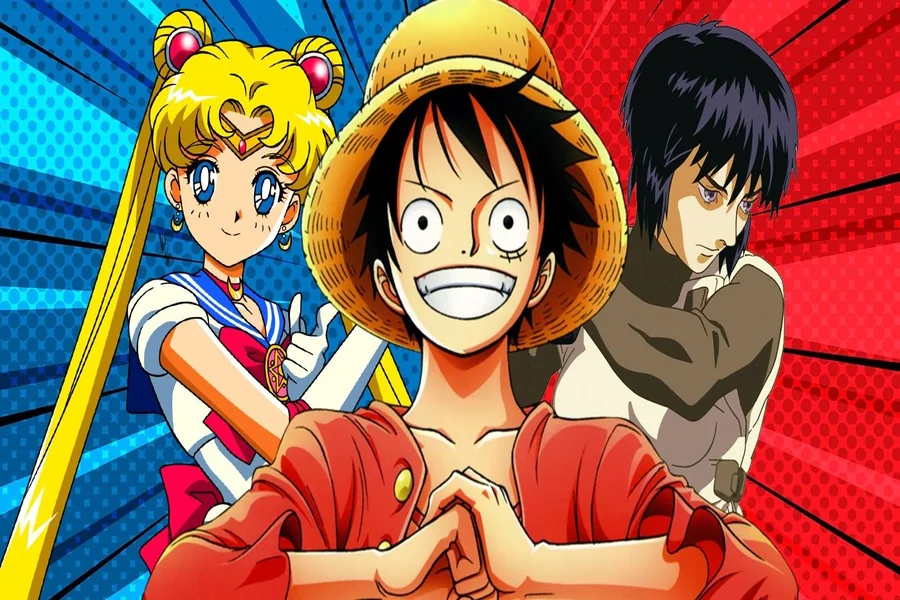
Notable examples: Naruto, Dragon Ball, My Hero Academia, One Piece.
Shonen anime emphasizes relentless determination and teamwork, inspiring viewers to overcome challenges in their own lives.
2. Shojo – Romance and Emotional Drama
Shojo anime primarily targets young female audiences and centers around romance, relationships, and emotional experiences. The stories are often character-driven, focusing on interpersonal dynamics, personal growth, and the complexities of love.
Visually, shojo anime tends to use soft, expressive art styles and symbolic imagery to convey emotions. Themes include first love, friendship, heartbreak, and sometimes fantasy elements blended with romance.
Notable examples: Fruits Basket, Sailor Moon, Ouran High School Host Club, Nana.
Shojo anime excels in exploring the emotional inner worlds of characters, making it a genre rich in sensitivity and nuance.
3. Seinen – Mature and Thought-Provoking Narratives
Seinen anime targets adult men and often tackles darker, more complex themes, including politics, psychology, existentialism, and societal issues. Unlike shonen, seinen narratives are less focused on idealism and more on realism, moral ambiguity, and human flaws.
These anime often feature graphic violence, philosophical dialogues, and layered storytelling, appealing to viewers seeking intellectual depth.
Notable examples: Berserk, Ghost in the Shell, Monster, Psycho-Pass.
Seinen anime challenges viewers to reflect on profound questions about life and society, making it a compelling genre for mature audiences.
4. Josei – Realistic Romance and Life Stories for Women
Josei anime caters to adult women, offering realistic portrayals of romance, careers, friendships, and daily struggles. It often features more mature and nuanced relationships than shojo, addressing themes like heartbreak, self-discovery, and personal independence.
The narrative style is subtle and introspective, with characters dealing with real-world issues rather than idealized fantasies.
Notable examples: Honey and Clover, Nodame Cantabile, Paradise Kiss, Chihayafuru.
Josei anime provides authentic and relatable stories for adult women, bridging emotional depth with realism.
5. Isekai – Transported to Another World
Isekai (meaning “another world”) has become one of the fastest-growing genres in recent years. These anime focus on protagonists who are transported, reincarnated, or trapped in a different world, often filled with fantasy elements, magic, and adventure.
Isekai series blend escapism with exploration, as characters navigate unfamiliar realms and grow by overcoming challenges.
Notable examples: Sword Art Online, Re:Zero, That Time I Got Reincarnated as a Slime, No Game No Life.
Isekai captivates audiences with its imaginative settings and the thrill of starting anew in a fantastical universe.
6. Mecha – Robots and Technological Warfare
Mecha anime centers on giant robots piloted by humans, combining science fiction with intense action and drama. This genre often explores themes of war, human-machine relationships, and the ethical dilemmas of technology.
Mecha series range from the highly realistic and political to the fantastical and heroic.
Notable examples: Neon Genesis Evangelion, Mobile Suit Gundam, Code Geass, Eureka Seven.
The genre appeals to fans fascinated by futuristic technology and the psychological complexities of warfare.
7. Slice of Life – Everyday Experiences with Emotional Depth
Slice of Life anime focuses on the mundane yet meaningful moments of daily life. These stories often explore friendships, family, school, work, and personal growth, portraying characters in relatable, natural settings.
While the pacing is typically slower, the emotional resonance and character development are profound, often evoking nostalgia and empathy.
Notable examples: Clannad, Barakamon, March Comes in Like a Lion, My Youth Romantic Comedy Is Wrong As I Expected.
Slice of Life offers viewers a comforting and introspective look into ordinary experiences enriched with heartfelt storytelling.
8. Horror – Psychological and Supernatural Terror
Horror anime delves into fear, suspense, and the supernatural. This genre ranges from psychological thrillers to monster tales and urban legends, often challenging viewers’ perceptions of reality and human nature.
Effective horror anime blend atmospheric tension, disturbing imagery, and complex characters to evoke fear and curiosity.
Notable examples: Tokyo Ghoul, Another, Paranoia Agent, Higurashi When They Cry.
Horror anime provides intense emotional experiences, exploring darkness both external and internal.
Conclusion
The diversity of anime genres is one of its greatest strengths, offering endless possibilities for storytelling and emotional connection. The 8 essential anime genres — Shonen, Shojo, Seinen, Josei, Isekai, Mecha, Slice of Life, and Horror — showcase how anime can entertain, inspire, provoke thought, and move audiences in myriad ways.
Whether you seek thrilling battles, heartfelt romance, intellectual complexity, or a glimpse into everyday life, understanding these genres helps guide your anime journey and enriches your viewing experience.