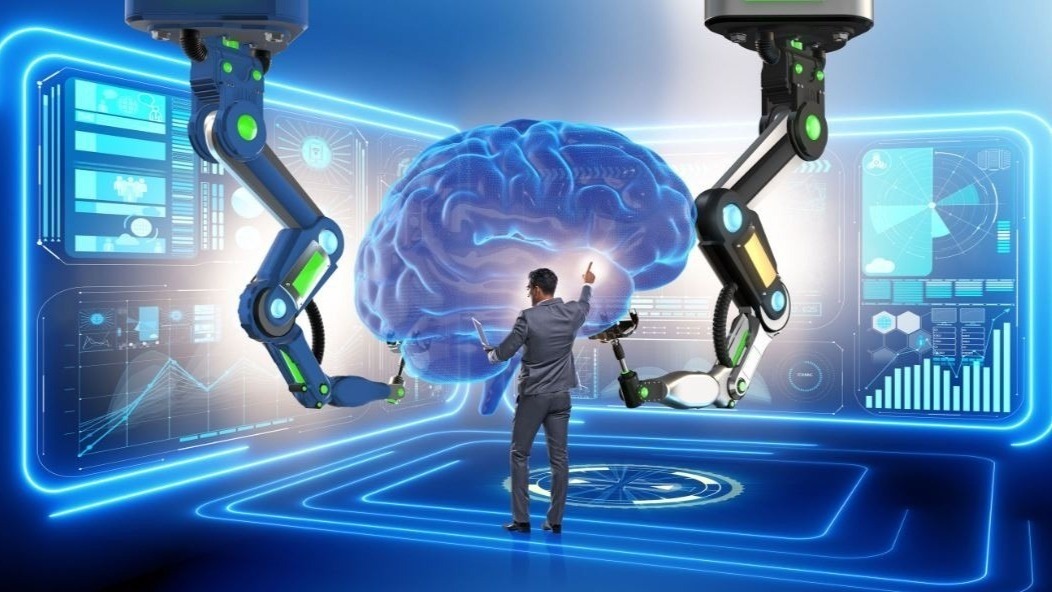
Artificial Intelligence (AI) is no longer a concept confined to science fiction; it has become an integral part of our daily lives. From the way we communicate and shop to how we manage our health and work, AI technologies are revolutionizing countless aspects of everyday living. By automating tasks, enhancing decision-making, and personalizing experiences, AI is making life more efficient, convenient, and connected.
In this article, we’ll explore the many ways AI is transforming everyday life and the benefits it brings to individuals and society as a whole.
1. Smarter Personal Assistants
Virtual assistants like Siri, Alexa, Google Assistant, and Cortana have become common in homes and smartphones. These AI-powered helpers respond to voice commands, manage calendars, control smart home devices, play music, and answer questions instantly.
As natural language processing improves, these assistants better understand context and user preferences, making interactions more seamless and personalized.
2. Personalized Recommendations
Whether you’re streaming movies on Netflix, shopping on Amazon, or browsing social media, AI algorithms analyze your behavior to suggest content and products tailored to your tastes.
This personalization saves time, enhances user satisfaction, and helps businesses connect with customers more effectively.
3. Improved Healthcare
AI is transforming healthcare by assisting in diagnostics, treatment planning, and patient monitoring. Machine learning models analyze medical images to detect diseases like cancer earlier and more accurately than traditional methods.
Wearable devices powered by AI track vital signs and alert users and doctors about potential health issues, enabling proactive care and better management of chronic conditions.
4. Enhanced Transportation and Navigation
AI powers navigation apps like Google Maps and Waze, providing real-time traffic updates, route optimization, and estimated arrival times. Autonomous vehicles, another AI application, promise safer roads by reducing human error.
Public transportation systems use AI to predict demand and optimize schedules, improving efficiency and user experience.
5. Smarter Home Automation
Smart home devices such as thermostats, security cameras, and lighting systems use AI to learn your habits and adjust settings automatically. For example, a smart thermostat can lower heating when you’re away, saving energy and costs.
Home security systems analyze video feeds to detect unusual activity and alert homeowners promptly.
6. Revolutionizing Customer Service
AI chatbots handle customer inquiries 24/7, providing instant responses and freeing human agents for complex issues. These bots improve response times, reduce wait times, and offer consistent service.
Natural language processing allows chatbots to understand and resolve a wide range of queries effectively.
7. Streamlining Work and Productivity
AI tools automate routine tasks like scheduling meetings, sorting emails, and generating reports. They assist in data analysis, helping businesses make informed decisions quickly.
In creative fields, AI helps with content generation, design suggestions, and video editing, enhancing productivity and innovation.
8. Language Translation and Accessibility
AI-powered translation apps break down language barriers by providing instant, accurate translations for conversations, documents, and websites.
Voice recognition and speech-to-text technologies assist people with disabilities, making digital content more accessible.
9. Smarter Financial Management
AI enhances banking and finance through fraud detection, credit risk assessment, and personalized financial advice. Robo-advisors help individuals manage investments based on their goals and risk tolerance.
AI chatbots also assist with routine banking tasks, improving customer convenience.
10. Entertainment and Gaming
AI creates more immersive and interactive entertainment experiences. Video games use AI to design intelligent, adaptive opponents and dynamic storylines.
Streaming platforms use AI to personalize content feeds and create targeted advertisements.
Conclusion
Artificial Intelligence is deeply embedded in our everyday lives, quietly working behind the scenes to make tasks easier, experiences richer, and systems smarter. As AI continues to evolve, its potential to transform how we live, work, and interact grows exponentially.
Understanding these AI-driven changes helps us appreciate the celeblifes technology’s role and prepare for an even more connected, efficient future.