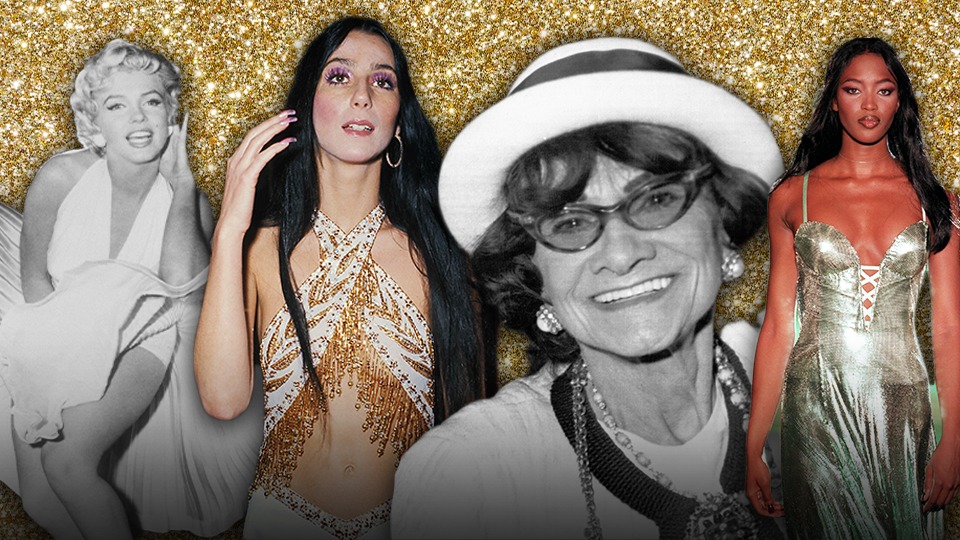
Fashion is more than just clothing—it’s a powerful form of expression that reflects culture, society, and identity. Throughout history, a few extraordinary individuals have revolutionized the fashion world, setting new trends, breaking norms, and influencing generations. These fashion icons are not only trendsetters but also visionaries who have forever altered how we perceive style. In this article, we explore some of the most influential fashion icons who have changed the industry forever, shaping the course of fashion history.
Introduction
Fashion is an ever-evolving art, deeply intertwined with societal changes and cultural shifts. From the luxurious courts of Europe to the bustling streets of New York, certain figures have emerged as trendsetters whose influence transcended seasons and decades. These fashion icons didn’t just create clothing; they created movements, challenged conventions, and inspired millions around the globe. Their legacies continue to influence designers, models, and everyday fashion enthusiasts.
Understanding the impact of these icons helps us appreciate how fashion is a dynamic dialogue between personal identity and cultural expression. Let’s journey through the lives and contributions of some legendary figures who transformed the fashion industry forever.
Coco Chanel: The Revolutionary of Elegance and Comfort
Gabrielle “Coco” Chanel is arguably one of the most transformative fashion icons in history. She introduced a new style philosophy that redefined women’s fashion by prioritizing comfort without sacrificing elegance. Before Chanel, women’s clothing was often restrictive, featuring corsets, heavy fabrics, and elaborate designs.
Chanel’s revolutionary designs in the early 20th century embraced simplicity and freedom. She popularized the “little black dress,” which became a timeless staple. Chanel also introduced the use of jersey fabric, previously reserved for men’s underwear, to create relaxed, fluid silhouettes. Her signature tweed suits combined femininity with structure, empowering women with both style and functionality.
Her influence extended beyond clothing to accessories. The iconic Chanel No. 5 perfume and the classic quilted handbag with the interlocking CC logo remain symbols of timeless luxury. Chanel’s vision dismantled outdated norms, championing a modern, independent woman’s style that continues to inspire designers worldwide.
Audrey Hepburn: The Epitome of Grace and Timelessness
Audrey Hepburn’s style is synonymous with elegance and understated sophistication. She wasn’t a fashion designer but a muse who immortalized certain looks through her films and public appearances. Hepburn’s collaboration with designer Hubert de Givenchy produced some of the most iconic fashion moments, including the classic black dress in Breakfast at Tiffany’s.
Her style embraced minimalism — clean lines, modest cuts, and a monochromatic palette — which contrasted the extravagance of the 1950s and 60s. Hepburn’s slender figure and pixie haircut set a new beauty standard, emphasizing natural beauty and effortless charm.
Beyond aesthetics, Hepburn’s fashion conveyed a message of refined simplicity and grace. Her timeless looks remain aspirational, influencing everything from haute couture collections to street style. Her legacy endures as a beacon of classic style that transcends generations.
David Bowie: The Trailblazer of Androgyny and Bold Expression
David Bowie was not just a music legend but a revolutionary fashion icon who challenged gender norms and embraced theatricality. His ever-changing personas, from Ziggy Stardust to the Thin White Duke, showcased bold, experimental fashion that blurred the lines between masculine and feminine.
Bowie’s fearless use of makeup, flamboyant costumes, and androgynous silhouettes reshaped the way fashion could be used to express identity and art. In an era dominated by rigid gender roles, Bowie’s style paved the way for inclusivity and self-expression in fashion.
His influence is seen today in designers who embrace gender fluidity and boundary-pushing aesthetics. Bowie proved that fashion is a powerful tool to convey individuality, creativity, and cultural rebellion.
Yves Saint Laurent: The Pioneer of Women’s Empowerment Through Fashion
Yves Saint Laurent was a visionary designer who brought revolutionary changes to women’s fashion in the 20th century. He introduced ready-to-wear lines, making high fashion more accessible. Saint Laurent also pioneered the tuxedo suit for women, famously worn by actress and singer Catherine Deneuve, blending masculine tailoring with feminine allure.
His collections celebrated diversity and modernity, often drawing inspiration from art, culture, and global influences. Saint Laurent’s emphasis on empowering women through fashion changed the industry’s approach to style and gender.
His designs continue to inspire fashion houses today, promoting the idea that fashion is a form of liberation and confidence for all women.
Rihanna: The Modern Mogul Redefining Fashion and Inclusivity
In the 21st century, Rihanna has emerged as a global fashion icon and entrepreneur, reshaping the industry with her fearless creativity and commitment to inclusivity. Beyond her success as a music artist, Rihanna launched Fenty, a brand celebrated for its diverse range of shades in makeup and skin tones in fashion.
Rihanna’s bold, often avant-garde red carpet looks challenge traditional beauty standards and expectations. She embraces body positivity, gender fluidity, and cultural diversity, using her platform to advocate for representation.
Her success as a designer and muse reflects a new era where fashion is more democratic and diverse, embracing all forms of beauty and identity. Rihanna’s influence signals a shift toward inclusivity and innovation in the industry.
Alexander McQueen: The Visionary of Dark Romanticism and Drama
Alexander McQueen was a master of theatrical, darkly romantic fashion that pushed boundaries with artistic flair. Known for his provocative runway shows and meticulous craftsmanship, McQueen combined fashion with performance art.
His designs often featured unconventional materials, dramatic silhouettes, and storytelling elements, challenging traditional notions of beauty and fashion. McQueen’s fearless creativity opened doors for avant-garde fashion to enter mainstream consciousness.
His legacy is a reminder that fashion can be a powerful form of artistic expression and social commentary. Designers today continue to draw inspiration from his bold vision and craftsmanship.
Conclusion
The fashion industry owes much of its evolution to these extraordinary icons who dared to challenge norms and envision new possibilities. From Coco Chanel’s timeless simplicity to David Bowie’s bold androgyny, each has contributed uniquely to shaping how fashion communicates identity, culture, and innovation.
These fashion icons demonstrate that style is not just about clothing but about making statements that resonate across generations. Their legacies inspire designers and fashion lovers alike to embrace creativity, individuality, and change. The industry continues to evolve, but the foundational influence of these visionaries remains ever-present.
As fashion moves forward, it is clear that true transformation comes from those who dare to innovate, break boundaries, and redefine beauty on their own terms.